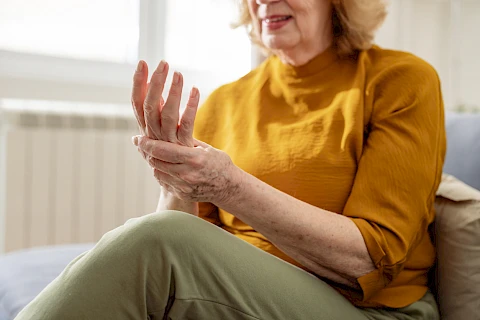
Parkinson's disease is a progressive disorder that affects movement. It can be life-changing, and senior women may face unique challenges in diagnosis and treatment. Understanding the symptoms can help women recognize the signs early and seek appropriate care. Symptoms in women can be different from those in men, sometimes leading to misdiagnosis. Raising awareness about these differences can lead to better outcomes.
What Parkinson's Symptoms Often Entail
Parkinson's symptoms are generally categorized into motor and non-motor types. Motor symptoms directly affect physical movements, while non-motor symptoms impact emotional and cognitive health. Recognizing these symptoms is beneficial because they may present differently in women than in men. For instance, women might experience a slower progression of symptoms. Societal expectations may make women more likely to downplay symptoms, attributing them to normal aging instead of a medical condition.
Motor Symptoms
Tremors are one of the most well-known signs of Parkinson's. They often start as a slight shaking in the hands or fingers. While tremors can occur in both men and women, they may be subtler and less frequent in women.
Muscle rigidity, another motor symptom, can make everyday tasks challenging. It might feel like your muscles are tight or stiff, making movement difficult. Women may first notice these symptoms in the neck or shoulders.
Balance issues are also common, leading to difficulty with standing or walking. Women may experience more frequent falls due to postural instability, another critical reason to watch for these changes.
Non-Motor Symptoms
Beyond physical signs, Parkinson's affects emotional and mental health. Depression and anxiety are common. Women may experience these emotional impacts more intensely, which can affect daily life and relationships. It's best to address these feelings, as they are part of the disease.
Cognitive changes can also be part of the experience, such as difficulties with memory or thinking. Women should be vigilant about changes in memory, concentration, or problem-solving abilities. Sleep disturbances are another non-motor symptom, with problems like insomnia or vivid dreams sometimes appearing early. Recognizing these patterns can provide a fuller picture of what might be occurring.
Importance of Early Detection
Early detection of Parkinson's can significantly improve quality of life. Recognizing symptoms early allows for prompt intervention, which can slow disease progression and manage symptoms more effectively. Do not hesitate to seek an evaluation from a specialist if you suspect Parkinson's. Neurologists can provide comprehensive assessments and tailored recommendations that family doctors might miss.
Self-Advocacy and Support
Being proactive about your health is requisite. Communicate openly with your healthcare provider about any symptoms you experience, even if they seem minor. Prepare for visits by jotting down what you've noticed, how often symptoms occur, and any concerns you have.
It's also necessary to advocate for yourself or a loved one by pushing for more tests or a second opinion if needed. You're the best judge of what feels normal for you. Resources like support groups and educational materials are valuable. Joining a network of others experiencing similar challenges can provide comfort and insights.
Seek Support and Care From Senior Helpers Kanawha Valley
Parkinson's disease presents a range of symptoms that can differ between men and women. By understanding both motor and non-motor symptoms, senior women can identify changes early and seek the appropriate care. Remember, early detection and intervention are crucial. Taking action can make a significant difference in managing the condition. Senior Helpers Kanawha Valley is here to support those in Charleston, Culloden, Dunbar, and the surrounding areas. If you notice symptoms of Parkinson's in yourself or a loved one, don't hesitate to contact us for personalized in-home care and support.