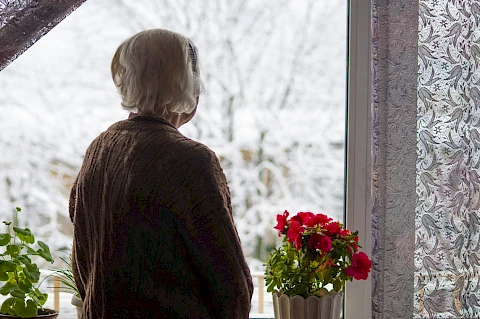
As the days grow shorter and the temperature drops, many seniors find themselves feeling a bit down. But for some seniors, these feelings can be more severe and may be due to seasonal affective disorder. Understanding this condition is essential for their well-being and can help them manage its symptoms.
What Is Seasonal Affective Disorder?
Seasonal affective disorder is a type of depression that occurs at a specific time of year, usually in the winter. It is not just a case of the "winter blues" but a recognized mood disorder that affects daily life. Unlike general depression, seasonal affective disorder is linked to the changing seasons and usually resolves when the seasons change again.
Symptoms of Seasonal Affective Disorder in Seniors
Seasonal affective disorder can manifest differently in seniors compared to younger individuals. Common symptoms include:
- Low energy and fatigue
- Difficulty concentrating
- Changes in appetite and weight
- Sleep problems such as insomnia
- Loss of interest in activities once enjoyed
- Feelings of hopelessness and sadness
For seniors, these symptoms might be mistaken for normal aging or other health issues. Stay alert and seek professional help if the symptoms persist.
Risk Factors for Seniors
Certain things make seniors more susceptible to seasonal affective disorder. Age itself is a factor, as older adults are more likely to experience depression. Seniors living in geographic areas with shorter daylight hours might be at an increased risk. Lifestyle factors such as limited mobility and reduced social interaction can also contribute to the development of seasonal affective disorder in seniors.
Managing the Winter Blues
Managing seasonal affective disorder involves a combination of strategies. Seniors should aim to get more natural sunlight by spending time outdoors during the day or sitting near windows that receive direct sunlight. A light therapy box can simulate sunshine and help alleviate symptoms.
Staying active is also important, as physical activity is a powerful mood booster. Simple activities such as walking, stretching, or chair exercises help support overall health. However, seniors should consult a healthcare provider before beginning any new physical routine.
A well-balanced diet rich in omega-3 fatty acids, fruits, and vegetables can help improve mood. Regular socialization is also important. Encourage loved ones to keep in touch with family and friends and participate in community events or join clubs specifically for seniors.
Maintaining Emotional Well-Being
To maintain optimal mental health during the colder months, establish a daily routine to provide structure and reduce feelings of aimlessness in seniors. Mindfulness practices such as meditation or yoga help lower stress levels and enhance mental clarity. It's also important not to hesitate in seeking professional help if needed, as therapy or counseling can be very effective.
Caregivers play a vital role in supporting seniors with seasonal affective disorder. Encouraging participation in activities, helping to establish a routine, and simply being there as a companion can make a significant difference.
Does Your Senior Loved One Need Friendly Companionship This Winter?
Seasonal affective disorder is a real and challenging condition in seniors. Recognizing the symptoms and understanding the risk factors can pave the way for effective management. By adopting simple lifestyle changes and seeking out support groups, seniors in Sheboygan, Plymouth, Cedar Grove, Port Washington, Saukville, and nearby areas can navigate the winter months with greater ease.
For those who may benefit from occasional company and assistance with daily activities, Senior Helpers Sheboygan offers personalized support and services. Contact us today to discover how we can help seniors live a more connected and independent lifestyle. Remember, you're not alone, and there are ways to bring light into your life, even during the darkest months of winter.