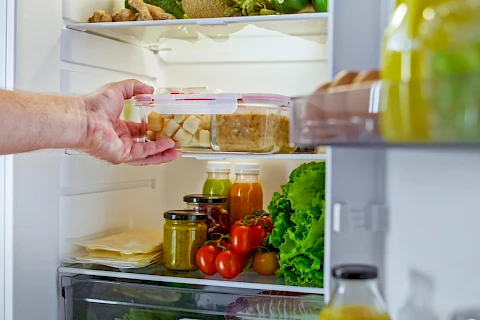
Our sense of smell and taste can diminish as we age, which makes identifying when food has "turned" less reliable. The good news is that there are several strategies seniors and their caregivers can use to ensure food safety. These methods range from visual inspections to proactive management tips, all designed to mitigate the challenges of detecting spoiled food with reduced sensory abilities.
Practical Strategies for Detecting Spoiled Food
While a reduced sense of smell and taste can be a hurdle, there are ways to help determine when food is off.
Visual Inspection Techniques
Even if the smell is no longer a reliable indicator, the eyes can still play a key role in detecting spoiled food. Check for any discoloration or mold and observe any changes in texture. Bumpy, slimy, or excessively sticky textures can be signs that food has gone bad.
Checking Expiration and Sell-By Dates
Another way to ensure food safety is by paying attention to expiration and sell-by dates. Sell-by dates tell stores how long to display the product, while expiration dates indicate the last day the product is safe to consume. Adhere to these dates and dispose of any food that is past them, even if it appears fine.
Food Storage Safety Strategies
Proactive management is a fantastic way to mitigate the challenge of detecting spoiled food. One simple yet effective method is to label food with the purchase or first-opened date. By marking items with these dates, caregivers create a timeline that helps prevent food from overstaying their welcome in the fridge or pantry.
A first-in, first-out (FIFO) system is another valuable strategy. By organizing the refrigerator and pantry so that older items are at the front, caregivers can ensure these are used before newer purchases. This approach helps reduce waste and minimizes the risk of consuming expired food.
It’s also beneficial to maintain a food diary or inventory list. Keeping track of what seniors have helps avoid forgetting about certain items, reducing the likelihood of spoilage. This practice benefits seniors experiencing memory concerns or living in larger households with multiple food items to manage.
Alternative Methods to Ensure Food Safety
Technology and the support of caregivers can also enhance food safety practices. Today's smart refrigerators often come with features to track food freshness. Some can even alert seniors when items are close to expiring! Food freshness detectors with built-in sensors are also available to check if food remains safe to consume.
Don't hesitate to ask family members or caregivers for help in detecting spoiled food or checking food safety. They can offer an additional set of eyes and noses to ensure everything in the kitchen is in good condition. This support can be especially valuable for seniors living alone or those with more significant sensory impairments.
Need Help in the Kitchen? Count On Senior Helpers!
Adopting these practices can help seniors reduce the risk of food-related illnesses. If you or someone you know needs assistance with safe and healthy meal preparation, contact us at Senior Helpers Sheboygan. We're here to help seniors in the Sheboygan, Plymouth, Cedar Grove, Port Washington, and Saukville areas retain their independence and quality of life.