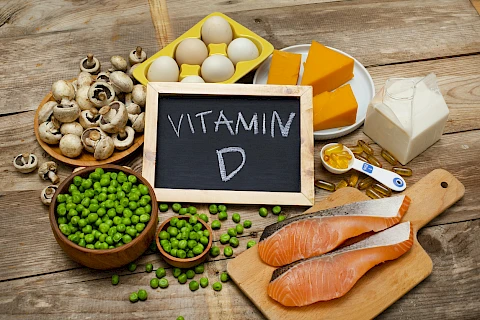
Calciferol, also known as Vitamin D, is a crucial nutrient for everyone, but it becomes especially important as we age. For seniors, maintaining adequate vitamin D levels is vital for bone health and immune function–particularly as those things begin to decline with age. As caregivers, understanding how to manage vitamin D levels can significantly improve our loved ones' quality of life.
The Benefits of Vitamin D
Vitamin D is also known as the "sunshine vitamin" because our bodies produce it in response to sunlight. It plays a vital role in helping the body absorb calcium, which is essential for maintaining strong bones. Additionally, Calciferol supports the immune, brain, and nervous systems, making it crucial for seniors who are more susceptible to illness.
Safe Sun Exposure
Sunlight is a natural source of adequate vitamin D levels. However, it's important to approach sun exposure with caution.
- Aim for 10-30 minutes of midday sun exposure several times a week.
- Use sunscreen to protect against skin cancer while allowing a short, initial sun exposure without it.
- For those with sensitive skin or a high risk of skin cancer, consult with a healthcare provider for personalized advice.
Safe sun exposure reduces the risk of skin cancer and other potentially damaging conditions.
Dietary Sources of Calciferol
Seniors can maintain bone health and immune function by getting adequate Vitamin D levels from their diet. Caregivers can achieve this by including a variety of naturally rich and fortified foods in daily meals, simplifying nutrient intake without complex meal plans.
Key Nutritional Sources
Providing a mix of these foods ensures that Vitamin D intake remains consistent and enjoyable for seniors.
- Fatty Fish Varieties: Incorporate salmon, mackerel, and sardines into weekly menus, as these are among the best natural sources of "Calciferol."
- Fortified Everyday Staples: Boost intake easily by choosing milk, orange juice, and cereals specifically enriched with Vitamin D.
- Synergistic Nutrition: Focus on a balanced diet rich in micronutrients to improve the absorption and effectiveness of Vitamin D.
Supplementation for Adequate Vitamin D Levels
In some cases, diet and sunlight may not ensure optimal Calciferol levels, making supplements necessary. Always consult a healthcare provider before starting any new medication. If supplementation is needed, Cholecalciferol (D3) is generally more effective than Ergocalciferol (D2) for maintaining adequate levels.
Working With Healthcare Providers
Healthcare providers play a pivotal role in handling vitamin D levels. Regular check-ups can help track levels and adjust care plans as needed. Caregivers should schedule routine blood tests to monitor calciferol levels and ensure they remain within the optimal range. Conclusion
Assistance Maintaining Senior Health
Ensuring seniors have adequate vitamin D levels is key to supporting their overall health and well-being. By following our guide, caregivers can make a positive impact. For those seeking professional assistance with senior care, the team at Senior Helpers Menomonee Falls is dedicated to offering quality care and guidance for seniors in Menomonee Falls, Germantown, Mequon, and Cedarburg. Contact us today to learn more about how we can help promote health and happiness for your loved ones.