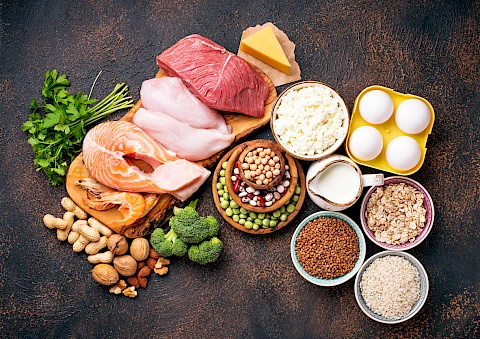
As we age, addressing senior protein requirements becomes essential for maintaining health and well-being. Among the key components of a healthy diet, this muscle-building block holds a special place. Protein can help protect against muscle loss, improve overall strength, and support an elderly loved one's quality of life.
Senior Protein Requirements
With aging, a person's required protein intake increases for several reasons. One major reason for muscle loss as we age is sarcopenia. This condition is crucial for maintaining and rebuilding muscle tissue.
Additionally, this nutrient supports bone health and overall wellness, helping to maintain an active and independent lifestyle.
Changes in appetite or digestive issues can hinder nutrient intake for muscle building. Dental problems, health conditions, or dietary restrictions may further complicate this.
Optimizing Protein for the Vitality of Those in Their Golden Years
High-quality protein is the building block of muscle maintenance and daily energy, making it a non-negotiable part of the diet of older adults. By choosing the right sources and timing their consumption effectively, you can support long-term physical strength and overall well-being.
Selecting the Right Protein Sources
Choosing the best protein-rich food requires balancing nutritional needs and dietary preferences. It is particularly true when considering senior protein requirements and the physical ease of consumption.
- Animal & Dairy Proteins: Lean meats, poultry, fish, eggs, and yogurt are excellent, nutrient-dense options.
- Plant-Based Alternatives: Beans, lentils, tofu, and quinoa provide robust protein and fiber for those avoiding meat or dairy.
- Accessibility: Prioritize soft, easy-to-prepare foods like cottage cheese, nut butters, and tender fish to ensure eating remains manageable.
Timing Your Protein Distribution
How you space out your protein is just as important as the total amount you eat for maintaining muscle synthesis and energy. Here are some ideas on how to do that:
- Balanced Meals: Spread protein across breakfast, lunch, and dinner rather than consuming it all in one sitting.
- Morning & Mid-Day Boosts: Start with eggs or Greek yogurt and incorporate turkey or legumes into lunch to maintain momentum.
- Strategic Snacking: Use protein bars, cheese sticks, or almonds as bridge snacks to meet daily goals without feeling overfull at mealtime.
Practical Meal Planning
Building a menu that meets senior protein requirements doesn't have to be a chore. All you need to do is focus on consistency and simple preparation.
- Every-Meal Rule: Simplify your planning by ensuring every meal and snack contains at least one dedicated protein source.
- Advance Prep: Prepare ingredients or portions ahead of time to ensure healthy options are always within reach.
- Flexible Adjustments: Swap in fortified plant-based milks or lactose-free options to meet protein needs regardless of dietary sensitivities.
Get Help Managing the Nutritional Needs of Those Over 60
Meeting senior protein requirements is a cornerstone of maintaining health in older adults. Strength-sustaining nutrients are essential for preserving muscle mass, supporting bone health, and overall wellness. Caregivers should prioritize it in meal planning for older adults, as proper nutrition is key to healthy aging.
For caregivers seeking personalized support in Germantown, Mequon, Cedarburg, and more, Senior Helpers Menomonee Falls is here to help. Contact us to learn more about our home care services, including meal planning and preparation.