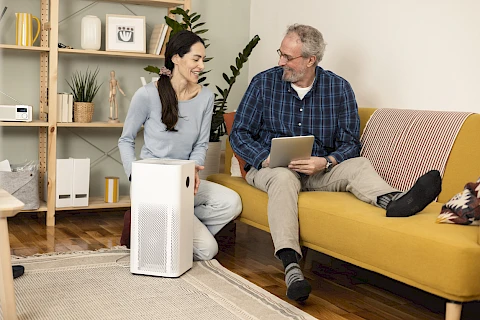
With age, the respiratory system often becomes more sensitive, making good indoor air quality for senior health essential. However, it may not take as long as you think for indoor air quality to start declining, causing or worsening a host of respiratory issues. If you're a caregiver for an older adult, knowing how to create a healthy home environment can make all the difference.
The Essentials of Indoor Air Quality
Indoor air quality is the condition of the air inside a home. It can impact respiratory health and well-being, particularly for loved ones with underlying health issues. Poor air quality can cause respiratory problems, worsen allergies, and affect mental clarity. The most common indoor pollutants to look out for are dust, pet dander, tobacco smoke, and fumes from cleaners or building materials.
Ventilation: The Key to Fresh Air
Proper circulation is essential to indoor air quality for senior health. It replaces stale air with fresh air, reducing indoor pollutants.
- Open windows regularly to let fresh air in, even for just a few minutes each day.
- Use exhaust fans in kitchens and bathrooms to prevent moisture and odors from building up.
- Consider installing attic vents or whole-house airflow systems for year-round fresh air circulation.
- In colder months, balance window ventilation with warmth, as brief airing can improve air quality.
Humidity Control: Balancing Moisture Levels
Humidity plays a vital role in air quality and comfort. Too much moisture can lead to mold, while too little can dry out respiratory passages. With that in mind, keep indoor humidity between 30-50% for optimal health and comfort. Using a hygrometer to monitor humidity levels can help you stay within this ideal range.
In dry climates or winter, a humidifier adds moisture to prevent dry skin and respiratory issues. For humid conditions or summer, a dehumidifier reduces excess moisture that can promote mold and dust mites. Maintaining proper humidity levels helps prevent health issues and improve comfort for older adults.
Reducing Irritation by Minimizing Pollutants
Minimizing indoor pollutants is essential for creating a safe and comfortable environment for those over 55. With a few thoughtful adjustments to your daily routine, you can significantly reduce common irritants that compromise respiratory health.
- Vacuum and dust regularly: Focus on carpets, upholstery, and curtains where allergens accumulate most frequently.
- Eliminate indoor smoking: Strictly prohibit smoking inside the home and ensure smokers remain away from entryways to prevent smoke exposure.
- Switch to natural cleaning products: Opt for non-toxic, biodegradable options to eliminate harsh chemical fumes that often irritate sensitive respiratory systems.
Air Purifiers Enhance Air Quality
Air filters sift fine particles and pollutants. HEPA filters effectively trap small particles like dust and pollen, making them suitable for loved ones with allergies or respiratory issues. Choose an air purifier based on the room's size for maximum effectiveness. Place them in bedrooms or main living areas, where elderly retirees spend the most time. Regularly check and replace filters to maintain optimal indoor air quality for senior health.
Improve Indoor Air Quality for Senior Health Today!
Fresh, clean air indoors is detrimental to the overall wellness of older adults. Caregivers can improve living environments by following our suggestions for a safe and comfortable residence, benefiting everyone.
For custom support for keeping a healthy home, including light cleaning and daily care, contact Senior Helpers Menomonee Falls. We are dedicated to supporting clients in Menomonee Falls, Ozaukee, and Grafton.