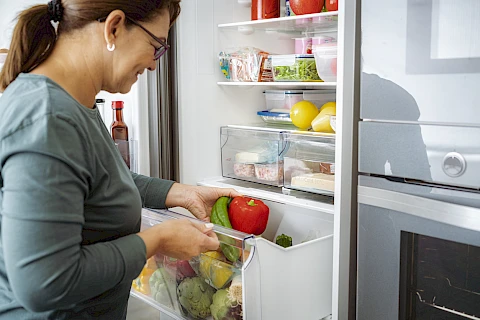
One of the best ways seniors can protect their health and their budget is through proper food storage. Protecting food from spoilage and contamination can prevent health risks and reduce waste, saving both money and resources.
Senior Helpers South Tacoma will share some tips for optimal storage conditions, organizing the refrigerator and pantry, and reducing food waste. Let’s make seniors’ kitchens safer and more efficient!
Understanding Optimal Storage Conditions
When it comes to proper food storage for seniors, the right conditions can make all the difference. First, it's essential to understand the distinction between perishable and non-perishable foods. Perishable foods, such as milk and meat, require refrigeration to remain fresh, while non-perishables, including canned goods and dry pasta, can be safely stored at room temperature.
The refrigerator and freezer settings also play a major role in preserving perishable items. Keep the refrigerator at or below 40°F and the freezer at 0°F for optimal food safety. Airtight containers can also keep food fresh longer and prevent cross-contamination.
Organizing the Refrigerator and Pantry
A well-organized kitchen is another essential aspect of food storage for seniors. Let's start with the refrigerator. Place raw meats on the bottom shelf to prevent drips from reaching other foods. Keep dairy in the middle, where it's coldest, and use the door for condiments, which are less sensitive to temperature changes. Regular cleaning also helps eliminate odors and ensures that expired items are quickly identified and removed.
In the pantry, an efficient organization is critical. Use labels and track expiration dates to prevent food from being wasted. Arranging foods by type and rotating stock, as in a grocery store, ensures that seniors use older items first, reducing the chance of spoilage. A tidy pantry looks appealing, ensuring food safety and waste reduction.
Tips for Reducing Food Waste
Reducing food waste benefits the environment and can save money. Begin with planning meals and creating a shopping list tailored to those meals. This helps prevent overbuying and makes sure you only purchase what you need.
Leftovers can be transformed into new meals with a bit of creativity—think soups, stews, or casseroles. Remember, leftovers are an opportunity to get inventive in the kitchen. Pay attention to food labels. The 'sell-by' date indicates how long the store should display the product, while 'best if used by' suggests when the item will be at peak quality. Don't always trust your nose or taste buds, because our sense of smell and taste may decline with age.
The Connection Between Proper Storage and Food Safety
Proper food storage helps prevent foodborne illnesses in seniors. Storing food at the correct temperature in sealed containers helps prevent the growth of harmful bacteria. It's also essential to recognize signs of spoilage, such as an unusual smell, color, or texture, and discard any questionable items.
Safe food handling is another layer of protection. Wash hands and surfaces often, prevent cross-contamination by using separate cutting boards for different foods, and cook foods to the right temperatures. Implementing these food storage and safety practices can help prevent illness and ensure that meals are safe for seniors to consume.
We Can Help Seniors With Meal Planning and Preparation
Proper food storage plays a critical role in maintaining the health and safety of seniors. We encourage you to implement these tips for the overall well-being of your loved ones. Should you need personalized assistance with meal planning, shopping, and food preparation in Dupont, Lakewood, Spanaway, Steilacoom, or University Place, contact us at Senior Helpers South Tacoma. We're here to help seniors remain safe and independent in the comfort of their own homes.