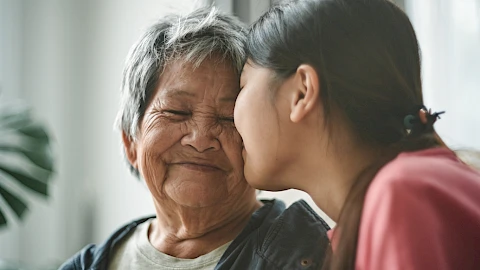
The holiday season often comes with a whirlwind of preparations, gatherings, and traditions, which can feel overwhelming when caring for a loved one who is recovering. Caregivers may find themselves balancing family expectations, adjusting long-held traditions, and managing personal feelings of guilt or worry. Focusing on realistic planning, asking for support, and finding small moments of calm can help reduce stress while prioritizing your loved one’s well-being.
Creating Boundaries
Open and gentle communication with family members helps set expectations while supporting a loved one’s recovery. It’s acceptable to decline invitations or suggest modifications, such as smaller gatherings. Asking for help with meals, transportation, or holiday tasks can also ease the load. Clear boundaries safeguard your loved one’s comfort and allow everyone to participate in the holiday season in a meaningful way.
Modifying Traditions
Traditions can be adapted to better suit your loved one’s recovery, such as simplifying holiday meals or enjoying quiet activities together. Creating new, low-stress customs can be just as meaningful and enjoyable. Focusing on presence and shared moments allows for quality time without added pressure.
Asking for Help
Don’t hesitate to reach out for support, as family and friends often want to help but may not know how to do so. Clearly communicate the kind of assistance you need, whether it’s meal preparation, decorating, or running errands. You can also explore community resources and professional respite services to help reduce your burden.
Managing Guilt
It's natural to experience guilt when you can't meet all expectations during the holidays. Learn to recognize these feelings and address them constructively. Try to reframe your thoughts, focusing on health and well-being rather than perfection. Allow yourself to practice self-compassion by acknowledging that you're doing your best in a challenging situation.
Stress-Reduction Techniques
Caring for a loved one while managing holiday activities can be exhausting, making stress relief an important part of the season. Small, consistent practices—such as deep breathing, gentle stretching, brief walks, or moments of quiet reflection—can provide noticeable relief. Taking short breaks, enjoying a favorite hobby, or simply pausing for a few minutes each day can help restore energy and focus. Mindfulness exercises, guided meditation, or listening to calming music may ease tension and promote emotional balance.
Prioritizing Health Over Holiday Expectations
Focusing on your loved one’s recovery and well-being can take priority over maintaining every holiday tradition exactly as planned. Adjusting plans and being flexible can reduce stress and make the season more manageable. Emphasizing meaningful connections—such as shared meals, quiet conversations, or small acts of kindness—helps support senior social connections and creates memorable experiences without added pressure. Allowing yourself to step back, delegate tasks, or simplify activities helps preserve energy and supports both your well-being and that of your loved one.
Support for a Calmer Holiday Season
Balancing holiday expectations while caring for a loved one in recovery requires gentle communication with family, adjusting traditions, seeking help, managing feelings of guilt, and finding moments to reduce stress. Allowing flexibility and focusing on meaningful connections can ease the holiday load and create more enjoyable experiences for both caregivers and seniors.
Professional support can also make a significant difference. Senior Helpers Seattle offers services such as companionship, return home transitional care, and personal care in Seattle, Bellevue, Kirkland, Redmond, Kent, Renton, and Sammamish, providing practical help that allows caregivers to focus on both their loved one’s recovery and their own well-being.
Contact us to explore how our team can support you and your family during the holidays, helping to make the season more manageable and fulfilling.