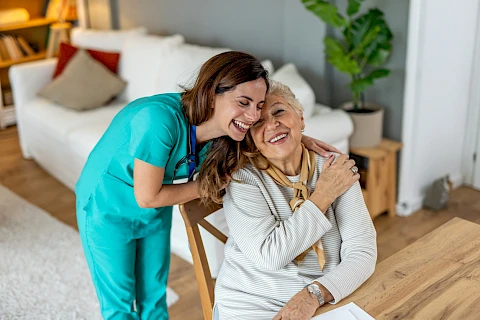
Elder abuse can happen anywhere—at home, in care facilities, or within the community—and often goes unnoticed until serious harm occurs. It may involve physical, emotional, financial, or sexual mistreatment, as well as neglect or abandonment. Caregivers who stay attentive to warning signs and respond promptly help protect seniors’ safety, dignity, and well-being.
Defining Elder Abuse
Elder abuse refers to intentional harm or neglect of older adults. It can take many forms, each with its own warning signs.
- Physical abuse involves inflicting physical pain or injury on a senior.
- Emotional or psychological abuse causes mental pain through verbal assaults, threats, or intimidation.
- Financial exploitation occurs when someone makes unauthorized use of an elder's funds or property.
- Neglect happens when caregivers fail to provide necessary care, resulting in harm.
- Sexual abuse involves any non-consensual sexual contact.
One in ten people over the age of 60 may experience elder abuse of some form. It can lead to severe physical and emotional consequences. Understanding these types helps in recognizing when something might be wrong.
Identifying Warning Signs
Recognizing the warning signs of elder abuse is necessary for taking timely action. If you suspect that something is wrong, it's worth investigating further.
- Physical indicators include bruises, broken bones, or unexplained injuries that don't match the explanation given.
- Behavioral changes such as withdrawal from usual activities, increased confusion, or mood swings may point to emotional abuse, neglect, or mental health issues in seniors that deserve closer attention. Depression, anxiety, and cognitive decline can sometimes mask or mimic the symptoms of mistreatment, making it crucial for caregivers to look deeper into any sudden or unexplained shifts in behavior or demeanor.
- Signs of financial exploitation include sudden changes in financial status, missing items, or unusual banking transactions.
- Indicators of neglect may present as poor hygiene, malnutrition, or untreated health issues.
How Caregivers Can Help
Caregivers play a frontline role in spotting and preventing elder abuse, and there are several ways to fulfill this important responsibility. Building trust is fundamental—establishing a good relationship with the senior by being supportive and empathetic creates an environment where they feel comfortable sharing concerns. Keep an eye out for any signs of abuse or neglect during your interactions.
Communication forms the backbone of effective care. Have open conversations with both the seniors and their families to maintain transparency and ensure everyone is informed about the senior's well-being. Education is equally important; learning more about elder abuse and sharing this knowledge with others helps raise awareness in your community. Your vigilance and proactive approach can have a profound impact on the lives of the seniors in your care.
Reporting Procedures
Being informed about the correct procedures ensures that you can act effectively to protect vulnerable seniors. If you suspect elder abuse, here's what to do:
- Document your observations and gather as much information as possible without putting yourself or the senior at risk.
- Contact local authorities or elder abuse hotlines for guidance and support.
- Keep records of any evidence or interactions related to the suspected abuse.
- Know that the law protects you as a whistleblower, encouraging you to report without fear of retribution.
We Keep Seniors Safe
Caregivers have the power to prevent and address elder abuse. By staying alert and informed, you contribute to the safety and dignity of the seniors in your care. Always remain vigilant and proactive.
Do you have a senior loved one in the Seattle, Bellevue, Kirkland, Redmond, or Renton area? Contact us today. Senior Helpers Seattle is here to provide support and resources, including trusted in-home senior care.