Falls are a common cause of injury among older adults, often resulting in reduced mobility and a loss of confidence. Many of these accidents occur in familiar spaces—the home and its surroundings—where small changes can make a meaningful difference in safety. Addressing potential hazards, improving visibility, and incorporating supportive tools can create an environment that supports steady movement and daily activities. Maintaining balance and strength through regular exercise also plays a role in reducing fall risk. Speaking with a healthcare professional can help identify specific concerns and guide personalized prevention measures.
Identifying and Removing Hazards
There are common hazards around the home that could lead to falls. Cluttered walkways, loose rugs, and stray electrical cords are some of the most common culprits. It's imperative to keep your living spaces organized and free from clutter. This might mean clearing pathways, especially in hallways and stairs, and ensuring that items are not left on the floor.
Removing rugs and tucking away electrical cords can make a big difference. Consider rearranging furniture to create wider pathways and ensure all frequently used items are within reach to avoid the need for climbing or stretching.
Enhancing Home Lighting
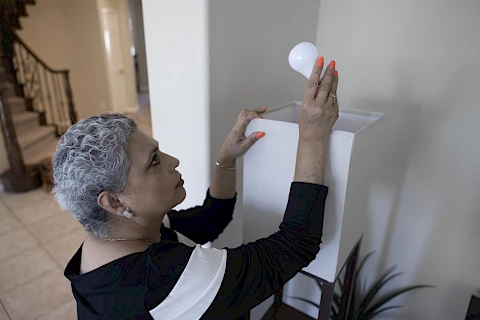
Adequate lighting helps reduce the risk of missing steps, overlooking obstacles, or misjudging distances. Brighten high-traffic areas—such as staircases, hallways, kitchens, and entryways—using a mix of ceiling fixtures, wall sconces, and lamps to remove dark spots. Choose bulbs that provide warm, even light to improve visibility without creating glare.
Install nightlights in bedrooms, bathrooms, and pathways for safe movement after dark. Motion-sensor lights near entrances, stairways, and outdoor walkways offer instant illumination without searching for switches. Keep fixtures clean and replace bulbs promptly to maintain consistent lighting throughout the home.
Utilizing Assistive Devices
Assistive devices can be invaluable tools in preventing falls. Handrails, grab bars, and shower chairs are just a few devices that can provide extra support. When choosing these devices, individual needs must be considered.
Consulting with healthcare professionals can help determine which devices best suit your situation. They can also assist with proper installation to ensure safety and stability. Don't hesitate to reach out to professionals for advice on creating a safer home environment.
Why We Need Regular Exercise
Regular movement helps maintain muscle tone, flexibility, and coordination, all of which support steadier footing. Low-impact activities such as walking, tai chi, and water aerobics are gentle on the joints while improving posture and control. Strength training with light weights or resistance bands can further enhance stability.
Beyond physical benefits, group activities encourage social engagement, boosting motivation to stay active. Many communities, including Seattle and nearby areas, offer in-person and online programs tailored for older adults. Before starting a new routine, consult a healthcare provider to ensure exercises are safe and suited to individual needs.
Consulting Healthcare Professionals
If you have experienced a fall, feel unsteady on your feet, or notice changes in balance, discussing these concerns with a healthcare provider can help identify underlying causes. Routine checkups also provide opportunities for managing sensory changes, such as vision or hearing loss, which can affect depth perception and spatial awareness. Addressing these changes early can make it easier to adapt your surroundings for safer movement.
Review medications, as some may cause dizziness, drowsiness, or changes in blood pressure. A provider can assess whether adjustments are needed or suggest alternatives that reduce these side effects. Early conversations can lead to preventive steps that support confidence and mobility.
Your Path to a Safer, More Comfortable Home
Creating a safer home begins with practical changes that reduce tripping hazards, improve visibility, and provide steady support during daily activities. Regular exercise helps maintain strength and balance, while timely check-ins with healthcare providers can address concerns before they lead to accidents. A consistent focus on safety allows older adults to move through their homes with greater confidence and independence.
For a personalized home safety assessment, contact Senior Helpers Seattle. We proudly serve Seattle, Bellevue, Kirkland, Renton, and Sammamish, and are happy to discuss services for seniors and their caregivers, including Personal Care and Companion Care.