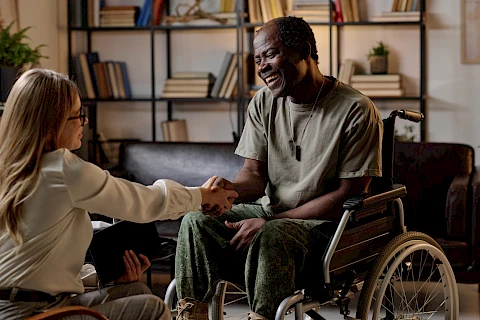
June is National PTSD Awareness Month, with Awareness Day on June 27. It's a significant time for families caring for senior veterans to recognize how post-traumatic stress may manifest later in life, as many older veterans have quietly dealt with symptoms for years. For those providing caregiver support for senior veterans in Edmonds, understanding what PTSD looks like in an aging parent or spouse is the first step toward providing support that actually helps.
How PTSD Presents in Older Veterans
PTSD in older veterans often looks different than the textbook description, making it easy to mistake for normal aging. Significant life changes can unsettle long-standing coping mechanisms, causing quiet symptoms to surface decades later.
- Look for withdrawal, hyper-reactivity to common sounds, or intense irritability during routine disruptions rather than dramatic flashbacks.
- Note frequent waking, vivid nightmares, or a sudden reluctance to go to bed.
- Be aware that major life milestones like retirement, health declines, or losing a spouse can break down old coping strategies. The U.S. Department of Veterans Affairs has thoughtful resources specifically for family members supporting older veterans with PTSD.
What Helps When Offering Caregiver Support for Senior Veterans
Providing consistent stability and understanding triggers can significantly ease daily caregiving for a veteran with PTSD. Creating a predictable environment allows your loved one to feel secure while navigating difficult emotions.
- Establish structured daily habits to reduce anxiety, and explain any upcoming schedule changes well in advance.
- Watch for patterns like loud noises, specific news stories, or crowded spaces so you can offer extra support during challenging moments.
- Allow your loved one to share their experiences in their own time, using gentle, open questions rather than forcing conversations.
Bringing in Professional Support
PTSD is treatable at any age, and the idea that an older veteran is "too old to benefit from therapy" is simply not accurate. The VA offers specialized care for older veterans, including therapy tailored to the cognitive changes that accompany aging. If your loved one is open to it, connecting them with community therapists or VA programs is a vital element of caregiver support for senior veterans that can shift the trajectory of their later years.
If your loved one resists formal treatment, peer support from veteran service organizations can be effective. Connecting with others who share similar experiences can provide valuable help.
Caring for Yourself as You Care for Them
Providing daily caregiver support for senior veterans with PTSD is emotionally demanding, meaning their hard days will often affect your hard days. Their hard days affect your hard days. Build your own support network of friends, family, a therapist of your own, or a caregiver support group. The VA's Caregiver Support Program offers practical assistance for family members caring for veterans. You will not handle this perfectly, and you don't need to. Showing up consistently, with patience and respect for what your loved one carries, is most of the work.
Standing With Veteran Families in Edmonds
Caring for an aging veteran with PTSD can be challenging, but you don't have to do it alone. Senior Helpers of Edmonds provides in-home care, including companionship for veterans and respite for their family caregivers, in Edmonds, Seattle, Clinton, and Mukilteo. Contact us to learn how we can support your veteran loved one and your family this PTSD Awareness Month.