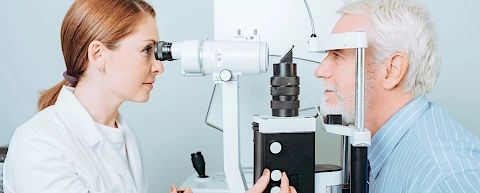
January is National Eye Care Month, a time to reflect on the importance of vision health. Eye health is a vital component of overall well-being. It’s important for seniors to learn information about their changing vision, recognize signs that need attention, and understand the value of regular eye exams.
Common Age-Related Vision Changes
Seniors' eyes undergo natural changes that can impact how they perceive the world around them. Presbyopia, or difficulty focusing on close objects, is one of the most common age-related vision changes. Many seniors also experience reduced pupil size, which creates challenges when adjusting to changes in light conditions, such as transitioning from a bright outdoor environment to a dimly lit room. Decreased tear production often leads to dry eyes, causing discomfort and irritation.
These changes may affect daily activities like reading or driving. It's critical to know what's normal and what isn't. While some blurriness is expected, sudden vision loss or severe discomfort should raise concern.
The Necessity of Regular Eye Exams
Regular eye exams are vital for maintaining good vision. Seniors need a comprehensive eye exam at least once a year. During an exam, expect tests for visual acuity, eye pressure, and overall eye health. Early detection of issues can prevent severe outcomes and preserve eyesight.
Recognizing Signs That Warrant Immediate Attention
Not all eye changes are benign. Some symptoms require immediate medical attention:
- Sudden vision changes, such as blurred or double vision
- Eye pain that is accompanied by unexplained discomfort or swelling
- Flashes or floaters could signal retinal issues
Reacting quickly to these signs can protect your eyes from lasting damage.
Common Eye Conditions in Seniors
Several eye conditions predominantly affect seniors:
- Cataracts cloud the lens of the eye, leading to blurry vision that can significantly impact daily activities and worsen without treatment.
- Glaucoma, known as the "silent thief of sight," damages the optic nerve, often without noticeable symptoms until significant loss occurs, making regular screening especially critical.
- Macular degeneration affects central vision, making activities like reading challenging. Early detection is essential in slowing its progression.
Suspecting these conditions should prompt seniors to seek an immediate professional evaluation.
Prioritizing Eye Health as Part of Overall Wellness
Eye health is intertwined with overall wellness. A diet rich in leafy greens, fish, and nuts provides essential nutrients that support eye health and may help prevent age-related conditions.
Regular physical activity improves circulation throughout the body, including to the eyes, promoting better vision and eye function.
Protect your eyes by wearing sunglasses when outdoors, which shields against harmful UV rays, while taking regular breaks from screens helps reduce eye strain and fatigue.
Incorporate these habits to help maintain clear vision and prevent eye problems.
You Can Count On Our Support at Senior Helpers of Warrenton and Culpeper
Preserving eye health is a must for maintaining independence and quality of life. Prioritize eye care by scheduling annual exams.
If you reside in Warrenton, Culpeper, Woodstock, Strasburg, or Purcellville and seek support for the care of a senior loved one, we encourage you to contact us at Senior Helpers of Warrenton and Culpeper. Our compassionate team would love to discuss our services for seniors and their caregivers, such as Personal Care and Chronic Disease Care.