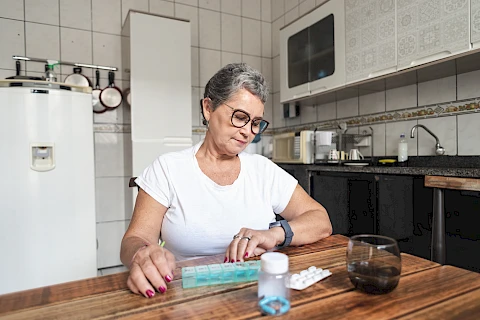
Managing multiple medications is sometimes necessary for seniors. Our healthcare needs typically increase as we age, leading to more prescriptions. Proper management is required to ensure medications are effective and do not cause harmful side effects. Seniors and their caregivers face challenges, such as remembering doses and understanding medical jargon. Discover strategies to help seniors manage their medications safely and effectively.
Organizing Medications
A sound organizational system is the first step to successfully managing medications. There are several tools and strategies seniors can adopt:
- Pill organizers and dispensers are practical tools for tracking daily doses. Weekly or monthly organizers separate pills into daily slots, making it simple to follow a medication schedule. Automatic dispensers can add convenience and safety by releasing the correct dose at the right time.
- Another common practice is creating a medication schedule. Write down what medications to take, along with the timing and doses. Place your schedule in a visible spot, like a refrigerator or near a phone, so it's easy to check daily.
- Technology and apps can also help. Applications like Medisafe or EveryDose offer features such as dose reminder alarms and prescription details storage.
Recognizing Drug Interactions
Recognizing drug interactions can prevent dangerous side effects. Being informed about interactions is critical since combining certain medications may cause harm. Learn the basics of drug interactions and their risks. Know that vitamins, over-the-counter drugs, and some foods can affect prescriptions.
Reading and understanding medication labels will help. Pay close attention to any warnings or instructions. Ask your pharmacist to explain anything that seems confusing, and don't hesitate to reach out to them for clarification. Consulting pharmacists and healthcare providers is a good practice. Pharmacists are well-informed about medications and can provide valuable guidance to ensure prescriptions are safe to use together.
Communicating With Healthcare Providers
Open communication with doctors and pharmacists is necessary. Seniors should never hesitate to discuss concerns or ask questions about their medications and health. Prepare for medical appointments by writing down any questions you have. Take notes on your medications, covering everything from names and doses to why they're prescribed. Share any changes or side effects with your healthcare provider.
Ask questions about new medications, such as: Why is this medicine necessary? What are its side effects? Are there any foods or other drugs I should avoid? Getting answers to these questions can help make informed decisions about your health.
Importance of Medication Reviews
Medication reviews ensure prescriptions remain effective and necessary. They provide an opportunity to reassess your health needs and make any necessary adjustments. A medication review is a comprehensive check of all prescriptions and over-the-counter drugs conducted by a healthcare professional. It ensures the safety and effectiveness of your medication regimen.
Benefits of regular medication reviews include reducing the risk of interactions, identifying unnecessary medications, and optimizing treatments for better health outcomes. Scheduling a medication review is simple. Contact your healthcare provider to set up an appointment. Prepare by bringing a list of all medications and supplements, including dosages and schedules.
Receive Advice From Senior Helpers Warrenton and Culpeper
Proper medication management involves organization, understanding, and communication. By adopting these strategies, seniors can manage prescriptions safely and effectively. Remember to take proactive steps in managing medications, and don't hesitate to contact us at Senior Helpers Warrenton and Culpeper. We offer personalized assistance in Purcellville, Woodstock, Strasburg, and Luray. Your health is essential, and we're here to support you every step of the way.