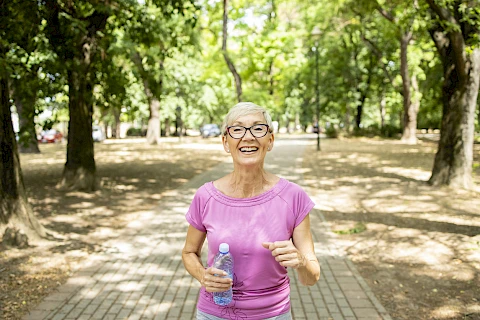
Virginia Beach summers are genuinely beautiful, but they're also genuinely hot. The combination of high humidity and temperatures that regularly climb into the 90s makes staying well hydrated more than a casual suggestion. For older adults, aging bodies give fewer reliable signals when fluid levels are getting low, so waiting for thirst to prompt a drink often means you're already behind. Taking a few minutes to think through a personal hydration plan that actually fits your life is a worthwhile investment before the hottest weeks arrive.
Identifying What's Making It Harder for You
Dehydration risk for seniors isn't one-size-fits-all. There are several distinct reasons why staying hydrated can be more difficult in later life, and the strategies that help depend on which ones apply to you.
If mobility is the barrier, the friction of getting to the kitchen for a refill throughout the day adds up. One simple fix is keeping filled water bottles at the spots where you spend the most time (your favorite chair, the bedside table, or the screened porch) so a drink is always within arm's reach.
If you don't enjoy plain water but want to limit sugary drinks, you have good options. Sparkling water with a slice of lemon or cucumber can feel more appealing than still water, and unsweetened herbal iced teas are flavorful without added sugar. Foods with high water content, such as watermelon, cucumber, peaches, and tomatoes, contribute meaningfully to daily fluid intake without requiring you to drink a glass of anything. At the Virginia Beach Farmers Market, you'll find all of these in abundance right now.
If the challenge is simply not noticing thirst, a light schedule of reminders works well. A phone alarm set for every two hours, a sticky note on the coffee maker, or a simple tally on a notepad can serve as prompts that don't depend on your body signaling a need that may come too late.
If frequent bathroom trips are part of why you limit fluids, that's worth discussing with your doctor. There are often strategies to manage that concern without restricting hydration to an unsafe level, especially during warm weather.
What Adequate Hydration Actually Looks Like
The CDC notes that heat-related illness can develop quickly and that older adults are at higher risk. A practical self-check: your urine should be pale yellow. Dark yellow or amber means you need more fluids. If you notice dizziness, headaches, unusual fatigue, or dry mouth, treat those as signals to drink something promptly and step into a cool environment.
On very hot days in Virginia Beach, staying indoors during peak afternoon heat is itself a form of protection. Air conditioning significantly reduces the rate at which your body loses fluid through perspiration.
Building a Plan That Fits Your Routine
The best hydration strategy is one you'll actually follow. Think about when during the day you naturally pause and could pair a drink with what you're already doing: with your morning coffee, before a favorite TV program, or after a walk. Adding fluid to existing habits is easier than building new, standalone ones.
Stay Comfortable and Well This Summer
Staying properly hydrated in Virginia Beach's summer heat is achievable with a plan built around your specific challenges and preferences. Seniors throughout Virginia Beach who want additional in-home support this summer can count on Senior Helpers of Virginia Beach. Contact us to learn how our team can help you stay safe, comfortable, and well cared for throughout the warmest months of the year.