As the vibrant colors of fall sweep through the area, many look forward to the cooler weather and festive activities. However, for seniors, this season can also bring seasonal allergies that are more than just a minor annoyance. Addressing allergies in seniors is important for their overall health and well-being.
Understanding Seasonal Allergies in Seniors
Seasonal allergies, often caused by pollen, mold, and other airborne allergens, can lead to symptoms such as sneezing, runny nose, itchy eyes, and congestion. While these may seem familiar to many, seniors might experience them more intensely. Allergies can exacerbate existing health conditions and lead to tiredness and discomfort in ways that might not affect younger individuals. Recognizing these symptoms early and taking them seriously is essential in maintaining quality of life.
In older adults, it's crucial to address allergies proactively. If left unchecked, allergies can contribute to complications like sinus infections or worsen respiratory issues such as asthma or COPD. Knowing what to look for and how allergies might present differently in seniors can make managing them much easier.
Strategies for Reducing Allergen Exposure
Reducing exposure to allergens is one of the vital first steps in managing them. For seniors spending time outdoors, it's a good idea to:
- Stay indoors on high pollen count days, which can be monitored via local weather reports.
- Wear sunglasses and a hat to shield the face from pollen.
- Change clothes and shower after outdoor activities to remove pollen from skin and hair.
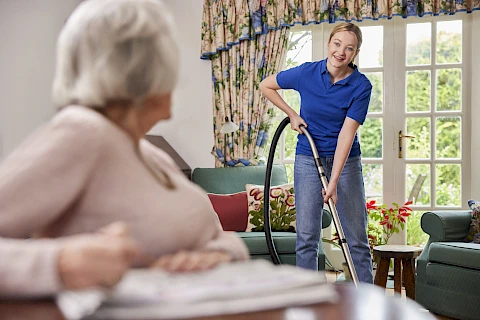
Creating a comfortable indoor environment can also make a big difference. Consider keeping windows closed to prevent pollen from entering, using air conditioning with a clean filter to circulate air, and opting for hypoallergenic bedding. Vacuuming frequently can decrease indoor allergens as well.
Regular cleaning and maintaining air filtration systems can also help reduce allergen exposure. Dust and mold can accumulate quickly, especially during the fall, and keeping the home clean helps reduce these allergy triggers.
Finding Relief from Allergy Symptoms
Dealing with allergy symptoms effectively requires a combination of medications and lifestyle changes. Over-the-counter antihistamines and decongestants can be beneficial but should always be used with caution. Some common medications can interact with prescriptions often taken by seniors. Therefore, consulting with a healthcare provider before starting any new medication is a good practice.
Natural remedies, such as using nasal saline sprays or drinking herbal teas like chamomile, can also offer relief. Some seniors might find relief in lifestyle modifications, such as staying hydrated and engaging in mild physical activity to boost the immune system.
Get Help for Seniors This Fall
Managing seasonal allergies need not be a daunting task. By understanding the specific ways allergies affect seniors and taking proactive steps to minimize exposure, older adults can enjoy the fall season without the misery of allergy symptoms. Whether through simple changes at home, consulting healthcare providers for suitable treatment options, or utilizing natural remedies, there are plenty of strategies available. Remember, it's never too late to start addressing these issues.
If you or a senior loved one needs personalized assistance at home this fall, including help with common allergy management tasks, reach out to Senior Helpers Loudoun. We are here to help make life a little easier and more comfortable for seniors in Chantilly, Gainesville, Sterling, Haymarket, and Leesburg.