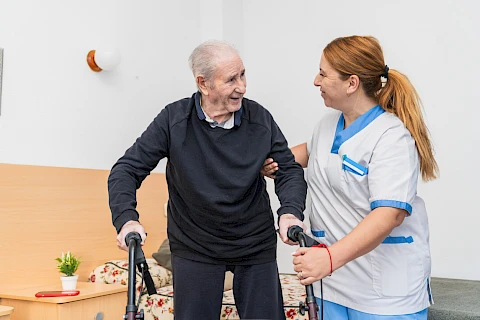
Living independently at home can become more challenging with age. Accidents such as falls and fire-related incidents are more likely to occur, and accessibility concerns may increase. Creating a safer living space starts with being proactive. This home safety checklist outlines practical steps for reducing risk in every room of the house.
General Safety Tips
Before diving into specific rooms, let's start with general safety tips. Conducting a home safety assessment is a significant first step. This involves checking each room for potential hazards and making a note of any necessary changes. Regular maintenance and inspections can prevent problems before they arise. Also, make sure to keep emergency contact information easily accessible and develop a plan for what to do in case of an emergency.
Living Room Safety
The living room should be comfortable and hazard-free, with clear walkways of cords, furniture, and clutter to reduce the chance of falls. Lighting should be bright and easy to control. If necessary, add more lamps or motion-sensor lights. Arrange furniture to allow precise movement throughout the space.
Kitchen Safety
The kitchen is another area that requires attention. Fire safety is a top priority, so always use appliances properly and ensure smoke detectors are working. Organizing items within easy reach can greatly enhance accessibility and reduce the risk of accidents. Consider installing slip-resistant flooring and handling spills immediately to prevent falls.
Bathroom Safety
Bathrooms are often where falls occur, so minor updates can be helpful. Installing grab bars in the shower and near the toilet can provide much-needed support. Non-slip mats help reduce fall risk. It's also important to set water heaters to a safe temperature to prevent burns. Adequate lighting, including nightlights, can improve visibility during nighttime visits.
Bedroom Safety
The bedroom should be a safe and restful space. Ensure the bed height is suitable for easy access, and clear pathways of tripping hazards. Emergency communication devices, such as a phone or a medical alert system, should be within easy reach. This ensures that help is never more than a call away.
Staircase and Hallway Safety
Staircases and hallways can be tricky to navigate. Installing handrails on both sides of the stairs and ensuring adequate lighting can make a big difference. Remove any obstacles and secure carpets to prevent trips. For those with limited mobility, consider installing stair lifts or ramps for safer navigation.
Outdoor Safety
Your home's exterior needs attention, too. Ensure pathways are safe and well-lit. Handrails should be sturdy, and surfaces should be non-slip to prevent accidents. Seasonal maintenance, like snow and ice removal, is essential to keep outdoor areas safe.
Creating a Safer Living Space
A comprehensive home safety checklist is valuable for improving seniors' quality of life. Following these guidelines can create a safer living environment and prevent common hazards. Implementing these changes can make a big difference in safety and comfort.
Contact Senior Helpers Northern Utah for professional assistance in caring for a senior loved one. Our team is ready to help seniors in Logan, Ogden, Smithfield, Roy, and Brigham City ensure their homes are as safe as possible.