Our eyesight is a critical part of our daily lives, and preserving their health is essential for enjoying independence. January is National Eye Care Month, making it a fitting time to focus on strategies that help protect senior vision health during winter. Here's what you need to know to help maintain good sight wellness in the colder months.
Winter's Risks to Vision Health
Colder weather can pose specific challenges for aging eyes. Lower temperatures, combined with dry indoor heat, can lead to uncomfortable conditions such as dryness and irritation.
Harsh winds can cause watering, while the glare from snow can be blinding. Understanding these potential issues is the first step toward preventing them.
Outdoor Eye Protection
One of the simplest ways to protect your eyesight is by wearing sunglasses, even on cloudy days. Many people overlook the importance of sunglasses when the sun isn't as warm, but UV rays remain potent year-round.
Sunglasses help shield your vision from harmful UV rays and reduce glare from snow or wet surfaces. When selecting sunglasses, look for pairs with UV protection and wraparound styles to block wind. This small step can make a big difference in preventing damage and discomfort.
Nutrition for Good Eyesight
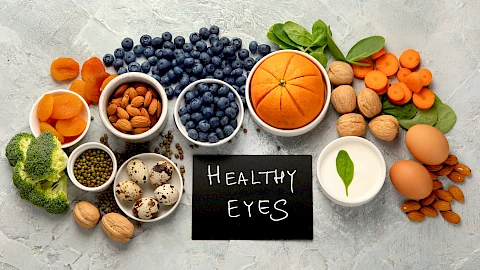
Proper nutrition plays a vital role in maintaining ocular health. Key nutrients like vitamins A, C, E, and omega-3 fatty acids support senior vision health. Incorporate winter foods rich in these nutrients into your diet.
Consider adding carrots, sweet potatoes, and kale for vitamin A; oranges and bell peppers for vitamin C; almonds and sunflower seeds for vitamin E; and fish such as salmon or sardines for omega-3 fatty acids. Don't forget to stay hydrated, as adequate water intake helps keep them moisturized.
Reducing Screen Time Strain
Screens are a typical part of everyday life; there's your TV, computer, and phone. However, staring at them for extended periods can strain your eyesight. This strain can be even greater in nippy weather, as indoor activities increase.
To reduce strain, try to limit your screen time and take regular breaks using the 20-20-20 rule: every 20 minutes, look at something 20 feet away for at least 20 seconds. Ensure your screen is positioned at a comfortable angle and is not too bright or too dim compared to the surrounding light.
Regular Eye Check-Ups
Annual visits to an ophthalmologist are necessary to help catch issues early and keep senior vision health during winter. Many eye conditions develop gradually, and early detection is key to effective management.
During an eye exam, the doctor will check your eyes and screen for common problems such as glaucoma, cataracts, and age-related macular degeneration.
We Prioritize Senior Vision Health During Winter
By implementing the simple strategies outlined above, you can help protect your eyes from the unique weather-related challenges. Keep our tips in mind and give them a try for yourself and your elderly family members.
Should you need personalized support for yourself or a loved one in the greater Houston area, contact us at Senior Helpers West Houston. Let's keep our eyesight healthy and enjoy the chilly season with clarity and comfort.