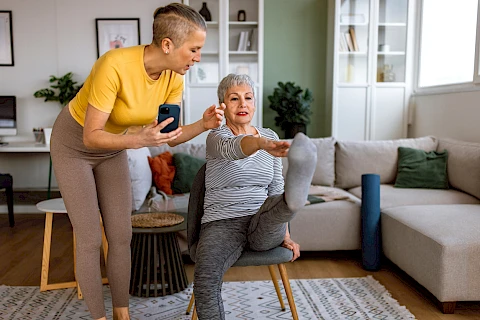
As the seasons change, many seniors experience a familiar sense of discomfort. Weather-related joint pain is a common issue that affects numerous older adults, especially during periods of weather change. Caregivers need to understand and manage this condition to ensure seniors' well-being. Preparation can make a significant difference in their comfort and quality of life.
What's the Connection?
There's a scientific reason why cold weather causes some seniors’ joints to ache. Barometric pressure, which is the air pressure in the atmosphere, can directly impact joint discomfort. When pressure decreases, it can cause joint tissues to expand, leading to pain or stiffness. Common weather conditions influencing joint pain include cold temperatures, high humidity, and rain. Being aware of these triggers can help caregivers better prepare for flare-ups and manage pain more effectively.
Tips for Pain Relief
Caregivers can support seniors in managing joint discomfort, particularly when weather changes intensify symptoms. Several approaches can ease pain and maintain mobility:
- Create a warm, adaptable environment: Dress in layers and keep living spaces comfortably heated, as sudden temperature drops can worsen joint discomfort.
- Encourage gentle movement: Short walks indoors or simple stretches help keep joints flexible without straining them.
- Support nutrition and hydration strategies: Include omega-3-rich foods like salmon, flaxseeds, and walnuts to help reduce inflammation. Staying hydrated through proper hydration strategies promotes joint lubrication and overall comfort.
- Use targeted therapies:
- Heat therapy, such as warm compresses or heating pads, relaxes tight muscles and eases stiffness.
- Cold therapy, including ice packs or chilled compresses, reduces swelling and numbs sharp discomfort. Always place a thin cloth between the skin and the pack to prevent irritation or injury.
- Incorporate gentle massage and range-of-motion exercises: Focus on fluid, low-impact movements that improve circulation and decrease tension without forcing the joints.
- Monitor persistent or worsening pain: Track symptoms and consult a healthcare provider to explore evaluation and management options, including physical therapy, medications, or other specialized interventions.
Activities to Maintain Mobility
Keeping seniors active helps prevent stiffness and supports joint flexibility, even when the weather is challenging. Caregivers can encourage movement through gentle, low-impact exercises such as walking, swimming, or tai chi. These activities promote strength, balance, and range of motion without putting excessive strain on joints.
Regular movement throughout the day also helps reduce discomfort and maintain mobility. Short bouts of activity, such as standing and stretching between tasks or light household movements, can make a meaningful difference in joint comfort.
When outdoor conditions are harsh, indoor alternatives provide safe options for staying active:
- Chair yoga: Offers stretching and strengthening exercises that can be performed while seated.
- Light stretching routines: Focus on fluid, controlled movements to maintain flexibility.
- Resistance band exercises: Gentle resistance work can improve muscle tone and support joint stability.
- Balance exercises: Simple activities, like standing on one foot with support or heel-to-toe walking indoors, enhance stability and reduce fall risk.
Observing which exercises provide relief and which movements aggravate pain can help caregivers tailor activities to each senior’s needs. Consulting a healthcare provider for guidance ensures exercise plans remain safe and suitable for specific joint conditions.
When to Consult Healthcare Providers
There are times when professional medical advice is necessary. Caregivers should be vigilant for signs that indicate a need for medical attention. Persistent or worsening joint pain that doesn't improve with home care is a clear signal to seek help. Additionally, any swelling, redness, or warmth around the joint could indicate an infection and should be evaluated promptly. Sudden or severe pain that limits mobility or daily activities is another reason to consult a healthcare provider.
As always, consult your healthcare provider before beginning any new physical exercises.
Having an open conversation with medical professionals about pain management options is important. They might recommend medication adjustments, physical therapy, or other interventions that can provide long-term benefits. Regular check-ups can also help monitor the condition and adjust treatment plans.
Need Help Managing Joint Pain?
Managing joint pain influenced by weather requires attention, consistency, and thoughtful support. Recognizing how changes in barometric pressure affect joints, using effective pain relief techniques, and keeping seniors active through gentle movement can help enhance comfort and mobility. Consulting healthcare providers when pain persists ensures care remains safe and suited to each individual’s needs.
Senior Helpers Victoria offers services designed to support both seniors and family caregivers. Companion Care encourages safe daily activity and social engagement, while Personal Care provides assistance with daily tasks and mobility support. For seniors using medications for pain management, Medication Management ensures proper administration and monitoring. Contact us to explore personalized support tailored to maintaining comfort, activity, and well-being.