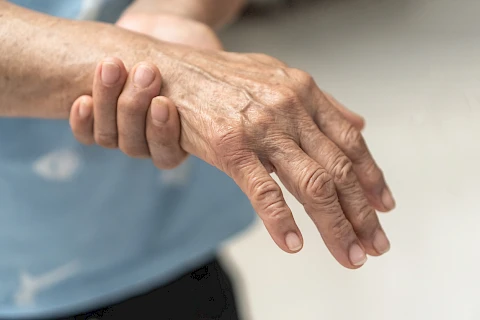
Living with Parkinson's disease can be challenging, and seasonal changes can add an extra layer of complexity. Parkinson's disease affects the nervous system, causing symptoms like tremors, stiffness, and balance issues. These symptoms can vary with the changing seasons, making it crucial for caregivers to adjust their care approach throughout the year.
Seasonal Effects on Parkinson's Symptoms
Weather changes can influence the symptoms of Parkinson's disease. Temperature fluctuations, in particular, can affect how a person's body responds. Warmer months increase fatigue, while colder weather exacerbates muscle stiffness and joint pain.
Additionally, seniors with Parkinson's often experience temperature sensitivity, meaning they may feel uncomfortable or even experience worsened symptoms with temperature variations. Understanding these effects is the first step in helping seniors feel more comfortable year-round.
Strategies for Managing Temperature Sensitivity
Managing temperature sensitivity involves preparing for both hot and cold conditions to keep seniors comfortable. During hot weather, stay cool by ensuring that the senior is dressed in lightweight, breathable clothing. Encourage drinking plenty of fluids to stay hydrated and use fans or air conditioning to maintain a cool indoor environment.
In contrast, cold-weather care involves keeping warm by dressing seniors in layers to help retain body heat. Heating blankets or pads can provide additional warmth. Maintain a consistent indoor temperature, around 68-72°F, and monitor humidity levels to keep the air comfortable.
Adjusting Care Routines with the Seasons
With seasonal changes, care routines require flexibility. Summer days are longer, allowing for more daylight activities, while winter may require more indoor time. Adjustments include modifying activity schedules to take advantage of daylight and optimal weather conditions.
Be flexible with meal times and rest periods to match the senior's comfort. Track medical appointments and medication schedules, and prepare for season-related adjustments. Staying organized as a caregiver ensures that your loved one's needs are consistently met, regardless of the time of year.
Maintaining Exercise Schedules Year-Round
Regular exercise is beneficial for those with Parkinson's, as it helps with movement and can improve mood and energy levels. Keep them active, whether indoors or outdoors, depending on the season. Here are some ideas:
- In warmer weather, gentle outdoor activities like walking or gardening can be enjoyable and beneficial.
- In colder months, indoor activities such as yoga, tai chi, or simple exercises in the living room can keep the body moving.
- Encouraging consistency in exercise routines helps maintain physical health and a positive outlook. Setting small, achievable goals can boost motivation.
Seniors should always consult a doctor before starting a fitness routine.
Contact Senior Helpers for Help With Parkinson's
Adapting care routines to account for seasonal changes is vital for managing Parkinson's symptoms effectively. With adjustments in temperature management, care schedules, and exercise plans, caregivers can provide better support and comfort to their loved ones. If you need assistance or want to learn more about optimizing care for those with Parkinson's, consider reaching out to professionals who understand these needs.
Contact us at Senior Helpers Victoria to learn more about our specialized Parkinson's care services in Victoria, Hallettsville, Cuero, Yorktown, and San Marcos. Our team is ready to offer personalized care solutions and support to help you and your loved ones easily navigate these seasonal challenges.