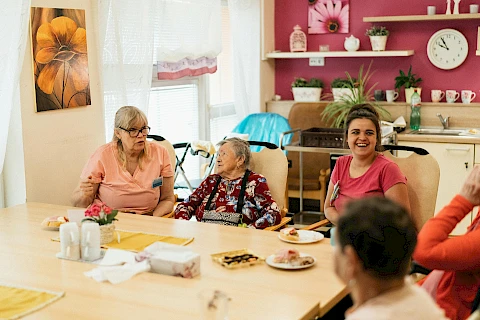
Exploring Living Options for Older Adults
As we get older, our housing needs often evolve. It's not just about a roof over our heads, but finding a place that supports our health, safety, independence, and overall quality of life. “Every day in the U.S., 10,000 people turn 65, and the number of older adults will more than double over the next several decades to top 88 million people and represent over 20 percent of the population by 2050” (AARP International). Whether you’re planning for your own future or helping an aging loved one, understanding the diverse range of housing options available is the first step toward creating a safe and fulfilling living environment. In the past, the focus of building design and construction was primarily on functionality and aesthetics, with less emphasis on universal accessibility. Homes were not designed with aging in mind, leading to potential difficulties for older adults experiencing mobility issues, visual impairments, or other conditions. Let's explore the various types of housing options, ranging from staying in your current home to moving into a community with specialized care.
Staying Home
This option is all about maintaining familiarity and independence by staying in your own home for as long as possible. While it offers a sense of comfort, it often requires proactive planning. You may need to install home modifications such as ramps, grab bars, a stairlift, or widen doorways. Additionally, in-home care services are available to assist with daily tasks as your needs change.
Best for: Older adults with a strong support network, an accessible home, and those who arrange in-home assistance.
Independent Living Communities
Think of these communities as a step up from traditional homeownership, designed for active, independent older adults who don't need daily assistance. You live in a private residence, like an apartment or a small house within a community that handles all the chores. Many communities offer shared meals, housekeeping, transportation, and a wide array of social activities and amenities.
Best for: Seniors who want to shed the burdens of home maintenance and enjoy a vibrant social life with peers.
Assisted Living Facilities
Assisted living strikes a balance between independence and personalized support. Residents live in their own apartments but receive assistance with daily activities like bathing, dressing, and managing their medications. This support allows them to continue living a largely independent lifestyle while having peace of mind knowing help is available.
Best for: Seniors who need some daily assistance but do not require complex medical care.
Memory Care: Specialized Support for Cognitive Health
Memory care communities are specifically designed for individuals living with brain change, such as Alzheimer’s disease and other forms of dementia. These environments provide a daily routine, specialized activities (such as music therapy), and skilled staff who are trained to provide compassionate and personalized support for residents.
Best for: Individuals living with brain change who need a supportive environment and specialized care.
Skilled Nursing Facilities: Comprehensive Medical Care
These facilities, often referred to as nursing homes, provide 24/7 medical care for individuals with serious health conditions or those who are recovering from surgery or illness. The focus here is on round-the-clock medical attention, rehabilitation services, and comprehensive care.
Best for: Seniors who need continuous medical supervision, rehabilitation, or care for complex health conditions.
Continuing Care Retirement Communities (CCRCs)
CCRCs offer a unique long-term solution by providing a full spectrum of care levels from independent living to assisted living and skilled nursing all on one campus. This model allows residents to seamlessly transition to higher levels of care as their needs increase without having to move to a new community.
Best for: Those who want a long-term plan and the security of knowing their future care needs will be met without having to relocate.
How to Make the Right Choice
Choosing the right housing option is a deeply personal decision that depends on several factors, including your health status, finances, personal preferences, and desired level of independence.
Start by assessing your situation and current needs. Think about what daily tasks are becoming challenging and what level of social engagement you want. Don’t hesitate to bring in healthcare providers or care professionals to help you navigate the options.
Planning ahead can make all the difference, reducing stress and ensuring a smooth transition, whether that means making modifications to stay home or finding a community that feels like the perfect fit. The ultimate goal isn't just to find a place to live, it’s to find a place where you can truly thrive.
Resources
“United States.”AARP International, www.aarpinternational.org/initiatives/aging-readiness-competitiveness-arc/united-states. Accessed July 2025.
Home Care Services
www.seniorhelpers.com/tx/san-antonio-north/services
How to Prepare for Home Care
www.seniorhelpers.com/tx/san-antonio-north/resources/blogs/basics-how-to-prepare-for-home-care-march-2022