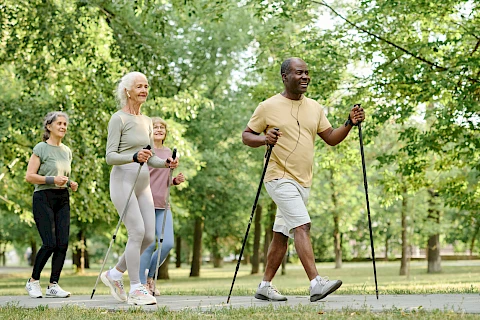
Staying active contributes to overall well-being, particularly for seniors. One enjoyable way to maintain movement and connection is by starting a senior walking group. Walking offers physical, mental, and social benefits, and creating a group can help bring those benefits to others in the San Antonio area. Whether you are organizing it for yourself or someone you care about, a walking group can offer both structure and motivation.
Benefits of Walking for Seniors
Walking is a simple yet powerful activity that brings many benefits, especially for seniors:
Walking supports cardiovascular health, improves circulation, and helps maintain mobility and balance. These benefits contribute to fewer falls, better stamina, and more confidence in everyday movement. For many seniors, walking also provides a gentle way to stay active without putting too much strain on joints.
Mentally, regular walks can ease anxiety, lift mood, and offer a natural rhythm that helps with sleep. Walking outdoors provides additional sensory stimulation, which may sharpen focus and enhance emotional well-being.
The group setting adds another layer of benefit. Shared routines and friendly conversations offer consistent social contact, which helps reduce feelings of loneliness. Being part of a group gives members something to look forward to each week and strengthens ties within the community.
Getting Started: Planning Your Walking Group
Starting a walking group begins with planning. First, identify the purpose and goals of your group. You may focus on fitness, sightseeing, or simply socializing. Once you have clear goals, select a convenient and safe location for your walks. Parks, community centers, or neighborhood trails are great options. Next, determine how often and how long the group will meet. Consistency is critical, so consider starting with weekly walks of 20-30 minutes and adjusting as needed.
Organizing Safe and Enjoyable Walks
Safety and enjoyment are imperative for a successful walking group. To accommodate different abilities and fitness levels, consider setting a comfortable pace and allowing for rest periods to ensure a balanced experience. Begin each session with a warm-up and end with a cool-down to prevent injury. Prioritize safety by ensuring everyone stays hydrated, checks the weather forecast before heading out, and wears appropriate footwear to avoid slips and falls.
Promoting Your Walking Group
Spreading the word about your walking group can be both simple and rewarding. Start by sharing details through local senior centers, libraries, or neighborhood newsletters to reach those already connected to the community. Social media can also be a powerful tool—posting on local groups or pages helps attract new members and encourages families to get involved.
Equally important is creating an atmosphere where everyone feels welcome. A friendly, inclusive environment encourages participation and helps the group grow naturally. Greeting newcomers warmly and encouraging regular interaction fosters a sense of belonging that keeps people engaged.
Maintaining Motivation and Engagement
Keeping the group motivated can be a rewarding challenge. Set achievable goals and celebrate when members reach them. Incorporating themed walks or special events, such as holiday or nature walks, can keep things exciting. Always encourage feedback and suggestions from group members to ensure you meet everyone's needs. Staying open to ideas helps maintain engagement and ensures the group continues to thrive.
Encourage Long-Term Participation Today
Starting a senior walking group is an excellent way to enhance health and foster community connections. With the proper planning, consideration for members' safety, and a welcoming atmosphere, you can create a group that offers both physical and social benefits.
If you reside in San Antonio, New Braunfels, Cibolo, Bexar County, or Canyon Lake and seek support for the care of a senior loved one, please don't hesitate to contact us at Senior Helpers San Antonio North. Our team of experts would be delighted to discuss our services for seniors and their caregivers.