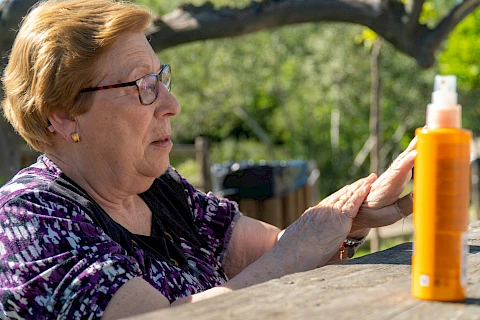
Spring arrives early in Fort Bend County. By March, the sun is already strong enough to cause real damage, and by April, a few unprotected hours outdoors can lead to a burn that takes days to heal. For older adults, spring sun protection deserves more attention than it typically receives. Their skin has changed significantly over the decades, and the conversation about UV defense should take place before the hottest months arrive.
How Aging Skin Changes Sun Vulnerability
Several things happen to the skin as people age. The outer layer thins, reducing its resilience. Melanocytes, the cells that produce pigment and provide some natural UV protection, decrease in number. The skin's natural repair mechanisms slow down, so UV damage accumulates over time rather than fully recovering. Medications common in older adults, including certain antibiotics, diuretics, and blood pressure drugs, can also increase photosensitivity. It increases the likelihood of a burn at lower UV exposure levels.
The Skin Cancer Foundation notes that adults over 65 have a significantly higher incidence of skin cancer than younger populations, largely because of cumulative lifetime UV exposure. Starting or improving spring sun protection habits now is meaningful regardless of how much time someone has spent in the sun in earlier years.
Choosing and Applying Sunscreen Correctly
For older adults, a broad-spectrum sunscreen with SPF 30 or higher is essential. Mineral sunscreens with zinc oxide or titanium dioxide are gentler on sensitive skin.
Apply sunscreen 15 to 30 minutes before going outside and reapply every 2 hours or after heavy sweating. Most people apply less than half the required amount; a golf-ball-sized amount for the face, neck, and exposed arms is recommended.
In humid areas like Sugar Land and Missouri City, a lightweight lotion or spray sunscreen may be preferable for consistent application.
Protective Clothing and Timing
Sunscreen is most effective when combined with other habits. A wide-brim hat protects the face, ears, and neck, common sites for skin damage. Long-sleeved, lightweight shirts made of tightly woven or UPF-rated fabric provide additional spring sun protection. Scheduling outdoor activities before 10 a.m. or after 4 p.m. reduces exposure during peak UV hours, including everyday tasks like walking to the mailbox or gardening.
What to Watch for on the Skin
Even with good sun habits, it's worth checking your loved one's skin periodically, especially on areas frequently exposed to the sun. New spots, moles that have changed in shape or color, sores that don't heal, or rough, scaly patches on the face, ears, or hands are all worth reporting to a dermatologist. Detecting changes early makes a significant difference in outcomes.
Sun Safety Support in Sugar Land and Beyond
Good spring sun protection habits are easiest to maintain when there's consistent daily support in place. Families across Sugar Land, Missouri City, Richmond, and Stafford trust Senior Helpers of Sugar Land to help loved ones manage daily routines safely through every season. Contact us to learn more about our in-home care services.