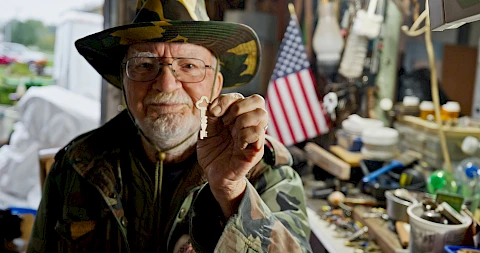
Preserving the legacies of our senior veterans is not just a way to honor their bravery and sacrifices; it helps ensure their memories and experiences live on for future generations. As caregivers, whether you're a family member or a professional, you play an essential role in this meaningful process.
You can help preserve the military legacies of those who served our country. This article shows how to encourage older veterans to share their testimony, organize their memorabilia, and connect them with historical preservation projects.
Understanding the Veteran's Story
This begins with building trust and creating a space where they feel safe. Elderly veterans should feel comfortable and respected when sharing their stories. Start by having regular, casual conversations and asking open-ended questions about their military service. These sessions will help them feel more at ease and willing to share.
When listening, show empathy and attentiveness. Active listening means focusing not just on the words but also on the feelings behind them. A simple nod or a "tell me more about that" can encourage them to open up and share more of their experiences.
Recording and Documenting Stories
Once veteran elders begin to open up, it's crucial to preserve their testimonies in a way that feels natural to them. You can choose from various methods depending on what makes the veteran most comfortable.
Audio recordings are excellent for capturing the nuances of a veteran's voice, while video recordings also capture their expressions. If they're more comfortable writing, encourage them to jot down their memories.
Many tools and technologies exist to aid in this process. Simple recording devices or smartphone apps can do the job effectively. Always ensure the accuracy and authenticity of the stories. Taking notes, paying close attention, and double-checking facts keeps their experiences honest and true to what they lived through.
Organizing and Preserving Memorabilia
Memorabilia such as photographs, letters, medals, and uniforms are tangible pieces of a veteran's history. Begin by identifying and categorizing these items. Organize piles of old photos, documents, and other historical items around the house. This process will make them easily accessible.
Consider safe storage solutions for physical items. Acid-free boxes and folders help prevent damage, and keeping items in a temperature-controlled environment can preserve them longer. Digital archiving is another option for these essential items. Scanned photographs and documents provide digital copies that are safe from physical deterioration.
Connecting with Historical Preservation Projects
Helping senior veterans get involved in historical preservation is a rewarding way to keep them engaged. Local and national initiatives keep military history by collecting memories and artifacts. Encourage them to participate in or contribute to local projects.
Doing so can give them a sense of purpose and connection, knowing that their stories and memorabilia will have a lasting impact. This engagement can deepen their insight into the community and remind them of the significance of their service.
Senior Helpers San Marcos is Here to Help
Caregivers play a major role in saving the legacies of senior veterans. They can help keep these legacies alive by recognizing and documenting seniors' experiences. They can also organize and preserve important artifacts.
To get support in this process and learn more about how you can help,contact usat Senior Helpers San Marcos. We proudly serve areas including San Marcos, Lockhart, La Grange, Del Valle, and Elgin. We would love to discuss our services for seniors and their caregivers, such as Personal Care and Veteran Care Services.