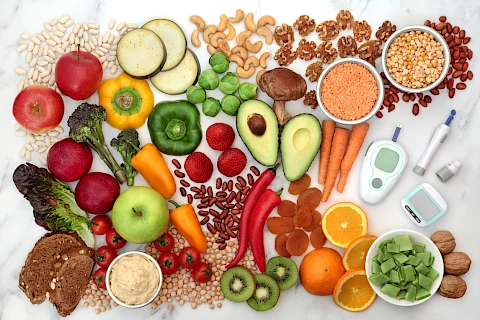
For older adults living with Type 2 Diabetes Mellitus (T2DM), maintaining a well-balanced diet is key to keeping blood sugar levels stable. Diabetes meal planning involves several considerations. Thoughtful food choices, consistent meal times, and portion awareness can enhance daily insulin management. With this in mind, Senior Helpers offers practical nutrition strategies for those over 60 and caretakers.
The Connection Between Type 2 Diabetes and Nutrition
Insulin resistance is a condition where the body struggles to regulate blood sugar levels. It is often due to insulin resistance. What you eat directly impacts these levels. Older adults with T2DM may face additional challenges, such as limited mobility, which can affect their ability to purchase or prepare fresh meals. Understanding nutrition's role can help elderly loved ones make informed choices, making diabetes meal planning a vital tool for maintaining long-term health.
Diabetes Meal Planning Strategies
To manage diabetes effectively, consistent eating habits are essential. Here are some tips elderly retirees and their caregivers can try:
- Eating at regular intervals prevents sharp spikes and drops in blood sugar.
- Use smaller plates or bowls to help control portion sizes without feeling deprived.
- Aim for half the plate to be filled with non-starchy vegetables, a quarter with lean protein, and another quarter with whole grains or starchy vegetables.
If meal times are still a struggle, talk to a healthcare provider or nutritionist who can offer support and new strategies to try.
Foods to Emphasize (And Which to Avoid)
The foundation of diabetes meal planning is knowing which foods support better health and stable blood sugar. Here are a few things to keep in mind:
- High-fiber options like whole grains, fruits, and vegetables slow carbohydrate absorption.
- Lean proteins, such as fish, poultry, beans, and tofu, support healing and help maintain muscle mass.
- Healthy fats from nuts, seeds, and olive oil can also satisfy hunger and promote heart health.
- Limit refined sugars and sweets, as they cause blood sugar spikes.
- Minimize processed foods high in sodium, as these can raise blood pressure and harm heart health.
- Avoid saturated and trans fats found in fried and processed foods to maintain cardiovascular health.
Balancing Blood Sugar Without Feeling Deprived
Managing insulin resistance doesn't mean you have to give up all your favorite foods. Smart snacking can keep you feeling satisfied between meals. Choose snacks like unsalted nuts, yogurt, or a piece of fruit.
Staying hydrated is vital, as dehydration can impact blood sugar levels. Aim for plenty of water throughout the day. Mindful eating practices can prevent overeating and improve digestion, such as eating slowly and savoring each bite.
Supporting Long-Term Health Through Smart Nutrition
Managing type 2 diabetes with nutrition requires informed dietary choices. Those in their golden years can stabilize blood sugar levels while enjoying delicious food. Always discuss any significant dietary changes, including diabetes meal planning, with healthcare providers. Discussions like these ensure they align with your individual health needs. If you're located in Arlington, Dallas, Grand Prairie, or Kennedale, Senior Helpers Greater Arlington is here to support your nutrition and healthcare journey. Contact us for personalized assistance today!