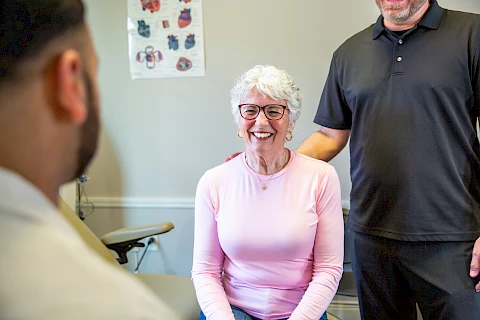
Heart health after 60 plays a central role in overall wellness and longevity. A strong heart supports energy, mobility, and independence. American Heart Month each February serves as a helpful reminder that small, practical habits can make a real difference. This guide outlines simple, manageable steps older adults can take to protect their hearts and support long-term health.
Diet Modifications
Nutrition directly impacts heart health for those over 60, making diet a primary tool for disease prevention and management. Here are a few things you may want to consider for your next meal planning:
- Eat antioxidant-rich produce: Consume fruits and vegetables, such as berries and leafy greens, to protect heart tissue.
- Choose whole grains: Opt for oats, brown rice, and whole wheat to support circulation and steady energy.
- Select lean proteins: Rely on fish, poultry, and beans for nourishment without excess saturated fat.
- Limit harmful additives: Reduce sodium and added sugar intake to manage blood pressure and metabolic strain.
- Incorporate healthy fats: Use olive oil, avocados, and nuts to help balance cholesterol.
- Stay hydrated: Drink sufficient water daily to maintain efficient blood circulation.
Gentle Exercise
Regular physical activity strengthens the heart and improves circulation. We came up with a few ideas you may want to try:
- Walking remains one of the most accessible options, requiring no special equipment while offering meaningful cardiovascular benefits.
- Swimming is another low-impact choice that supports cardiac function while being easy on the joints.
- Yoga or Tai Chi combine movement with balance and breath control, supporting both physical and cardiovascular wellness.
Exercise does not need to be formal. Small habits like dancing at home, taking the stairs, or walking short distances consistently can add up over time and support heart health after 60.
Always speak to a doctor before starting any new exercise routine.
Stress Management
Stress can negatively affect the heart by elevating blood pressure and triggering inflammation. Fortunately, there are several simple and effective ways to reduce stress in your daily life.
- Meditation and mindfulness practices can make a significant difference, and spending just a few minutes each day focusing on your breath can substantially reduce stress levels.
- Deep breathing exercises offer another accessible tool for calming the mind and relaxing the body, and they can be practiced virtually anywhere.
- Engaging in hobbies you genuinely enjoy, whether it's painting, gardening, or reading, provides a wonderful outlet for stress relief while bringing joy and fulfillment to your days.
Regular Check-Ups
Periodic visits to the doctor can help you catch potential issues early, which is key to prevention. When you see your doctor, certain screenings and tests can provide valuable insights into cholesterol levels, blood pressure, and heart rhythm. Discuss your heart health openly with your healthcare provider. They can help tailor a plan that fits your specific needs and lifestyle.
Get the Right Support for Your Heart Health After 60
Protecting cardiovascular fitness as an older adult comes down to consistency. Following the guide can help you achieve this goal and more.
If additional support would be helpful, Senior Helpers Greater Arlington is available to assist seniors in Arlington, Dallas, Grand Prairie, and Kennedale. Contact us to learn how companionship care and other services can support your cardiovascular wellness journey.