In-home senior care is a growing trend. It allows seniors to receive care in their own homes. This option offers comfort and familiarity. Many families are considering this choice. It provides a range of services tailored to individual needs. From medical care to companionship, the options are vast. Companion care is a key component. It focuses on emotional support and social interaction. This helps seniors feel connected and less isolated. Senior home care can be customized. It includes assistance with daily activities like bathing and meal preparation. This helps maintain independence. Home care solutions are flexible. They can be part-time, full-time, or as-needed. This flexibility suits different family dynamics. In-home care is often more affordable than nursing homes. It can be a cost-effective solution for many families. The demand for in-home care is rising. As the population ages, more families seek these services. Understanding in-home senior care is crucial. It helps families make informed decisions for their loved ones.
Understanding In-Home Senior Care
In-home senior care caters to the unique needs of elderly individuals. It offers an alternative to assisted living facilities by providing care in a familiar setting. Families find reassurance knowing their loved ones are in a comfortable environment.
A wide range of services fall under in-home senior care. These services can be medical, non-medical, or a blend of both. Medical services might include medication management or physical therapy, while non-medical services could consist of personal care or transportation.
The type of care required usually depends on the individual’s health and personal preferences. Some seniors may need just a little help, while others might require more intensive support.
The benefits of staying at home are numerous. Seniors can maintain their routines and continue to lead a life they are accustomed to. This can significantly boost their emotional well-being.
A personalized care plan is essential. It should address the physical, emotional, and social needs of the senior. Creating a holistic approach ensures all aspects of care are covered.
Benefits of In-Home Senior Care include:
Enhanced emotional well-being
Personalized attention
Flexibility in care
Familiar environment
Continuity of daily routines
Understanding these components is vital. It helps families make more informed decisions about their loved ones' care. Families are encouraged to explore all options and tailor plans based on specific needs.
Types of In-Home Senior Care Services
In-home senior care encompasses a broad spectrum of services designed to meet diverse needs. Identifying the right type of care ensures seniors receive appropriate support while maintaining independence.
These services are generally categorized into three main types:
Companion care: Offers emotional support, companionship, and assistance with social activities.
Personal care services: Focus on helping seniors with daily living tasks like bathing and dressing.
Specialized care: Provides targeted support for seniors dealing with specific health conditions, such as dementia or Alzheimer's.
Each type of care addresses different aspects of a senior's life. Companion care can be essential for those feeling isolated, while personal care services tackle daily practical needs.
Seniors with chronic or severe conditions often benefit from specialized care. This care requires a deeper understanding of the medical needs and involves more intensive support.
A personalized approach is critical when choosing care types. Factors like health conditions, lifestyle preferences, and social needs play a significant role.
Navigating the options might seem overwhelming. Families should consider consulting a professional to ensure all aspects of care are evaluated. Tailoring services to fit individual needs ensures that seniors receive comprehensive and compassionate care.
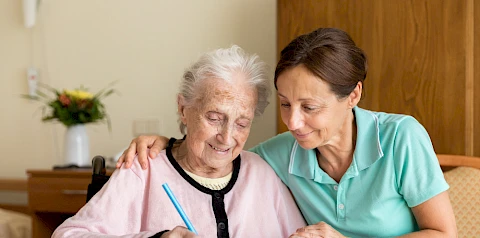
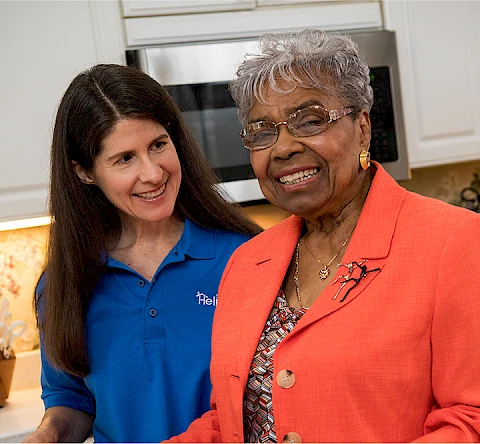
Companion care is vital for seniors who live alone. It focuses on providing emotional support and preventing loneliness. This type of care is not only about assistance but also about enriching seniors' social lives.
Companions often help with activities. These might include playing games, going for walks, or sharing meals together. Such activities can greatly enhance a senior’s quality of life.
Key aspects of companion care:
Emotional and social support
Engaging in recreational activities
Preventing isolation and loneliness
The role of a companion can be transformative. By fostering connections, they help combat depression and anxiety. This is especially crucial as maintaining mental health is as important as physical care.
With a focus on building relationships, companions can become like family. Their presence brings comfort and a sense of security to seniors.
The benefits of companion care extend beyond the seniors. Families also find relief knowing their loved ones are engaged and safe.
Personal care services focus on the essential daily tasks that seniors might struggle with. These services are especially beneficial for seniors who need help with activities of daily living (ADLs).
Tasks often assisted with include bathing, dressing, and grooming. Caregivers ensure seniors maintain personal hygiene while respecting their dignity and autonomy.
Common personal care tasks:
Assistance with bathing and hygiene
Dressing and grooming support
Meal preparation and feeding assistance
Seniors often feel a sense of independence with tailored personal care services. This balance between care and independence is vital for their self-esteem.
Caregivers play a critical role in observing the senior's condition. They provide feedback that can be essential for healthcare providers.
Families can rest assured that their loved ones are receiving compassionate care. Personal care services are not only about assistance but also about enhancing the senior's overall well-being.
With dedicated personal care, seniors can maintain a sense of routine and normalcy. This element of care is crucial in helping them lead a dignified and fulfilling life.
Specialized care addresses the needs of seniors with conditions like dementia and Alzheimer’s. This care requires expertise and a deep understanding of complex health issues.
It involves creating a structured environment. This ensures safety and helps manage the progression of these conditions. Specialists are trained to address both physical and emotional challenges.
Core components of specialized care:
Memory care support
Management of behavioral challenges
Tailored activities to stimulate the mind
Care often includes memory exercises and structured routines. These activities are designed to slow cognitive decline and promote engagement.
Families benefit from peace of mind knowing trained professionals handle their loved one's care. Specialized services can significantly improve the quality of life for affected seniors.
Implementing such care can be challenging. However, the positive impact on seniors' health and well-being is substantial.
Specialized care is often a collaborative effort. It involves healthcare providers, caregivers, and family members working together to create a comprehensive care plan. This holistic approach ensures all aspects of a senior's needs are addressed effectively.
Types of In-Home Senior Care Services
In-home senior care encompasses a broad spectrum of services designed to meet diverse needs. Identifying the right type of care ensures seniors receive appropriate support while maintaining independence.
These services are generally categorized into three main types:
Companion care: Offers emotional support, companionship, and assistance with social activities.
Personal care services: Focus on helping seniors with daily living tasks like bathing and dressing.
Specialized care: Provides targeted support for seniors dealing with specific health conditions, such as dementia or Alzheimer's.
Each type of care addresses different aspects of a senior's life. Companion care can be essential for those feeling isolated, while personal care services tackle daily practical needs.
Seniors with chronic or severe conditions often benefit from specialized care. This care requires a deeper understanding of the medical needs and involves more intensive support.
A personalized approach is critical when choosing care types. Factors like health conditions, lifestyle preferences, and social needs play a significant role.
Navigating the options might seem overwhelming. Families should consider consulting a professional to ensure all aspects of care are evaluated. Tailoring services to fit individual needs ensures that seniors receive comprehensive and compassionate care.
Companion care is vital for seniors who live alone. It focuses on providing emotional support and preventing loneliness. This type of care is not only about assistance but also about enriching seniors' social lives.
Companions often help with activities. These might include playing games, going for walks, or sharing meals together. Such activities can greatly enhance a senior’s quality of life.
Key aspects of companion care:
Emotional and social support
Engaging in recreational activities
Preventing isolation and loneliness
The role of a companion can be transformative. By fostering connections, they help combat depression and anxiety. This is especially crucial as maintaining mental health is as important as physical care.
With a focus on building relationships, companions can become like family. Their presence brings comfort and a sense of security to seniors.
The benefits of companion care extend beyond the seniors. Families also find relief knowing their loved ones are engaged and safe.
Personal care services focus on the essential daily tasks that seniors might struggle with. These services are especially beneficial for seniors who need help with activities of daily living (ADLs).
Tasks often assisted with include bathing, dressing, and grooming. Caregivers ensure seniors maintain personal hygiene while respecting their dignity and autonomy.
Common personal care tasks:
Assistance with bathing and hygiene
Dressing and grooming support
Meal preparation and feeding assistance
Seniors often feel a sense of independence with tailored personal care services. This balance between care and independence is vital for their self-esteem.
Caregivers play a critical role in observing the senior's condition. They provide feedback that can be essential for healthcare providers.
Families can rest assured that their loved ones are receiving compassionate care. Personal care services are not only about assistance but also about enhancing the senior's overall well-being.
With dedicated personal care, seniors can maintain a sense of routine and normalcy. This element of care is crucial in helping them lead a dignified and fulfilling life.
Specialized care addresses the needs of seniors with conditions like dementia and Alzheimer’s. This care requires expertise and a deep understanding of complex health issues.
It involves creating a structured environment. This ensures safety and helps manage the progression of these conditions. Specialists are trained to address both physical and emotional challenges.
Core components of specialized care:
Memory care support
Management of behavioral challenges
Tailored activities to stimulate the mind
Care often includes memory exercises and structured routines. These activities are designed to slow cognitive decline and promote engagement.
Families benefit from peace of mind knowing trained professionals handle their loved one's care. Specialized services can significantly improve the quality of life for affected seniors.
Implementing such care can be challenging. However, the positive impact on seniors' health and well-being is substantial.
Specialized care is often a collaborative effort. It involves healthcare providers, caregivers, and family members working together to create a comprehensive care plan. This holistic approach ensures all aspects of a senior's needs are addressed effectively.