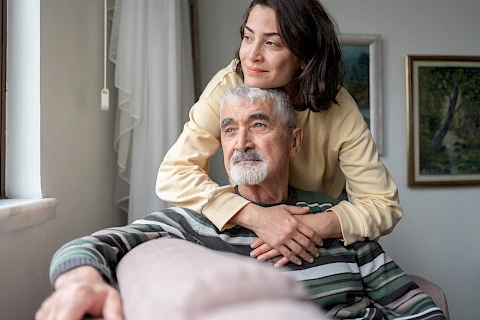
Anxiety in older adults is common, often undertreated, and easy to miss. As a caregiver, you might notice that your parent has become more hesitant about leaving the house, or that they worry intensely about health issues that once wouldn't have preoccupied them. It's tempting to write this off as personality, or just getting older. But anxiety is a distinct condition with real causes, recognizable symptoms, and effective responses.
Symptoms That Are Easy to Overlook
Anxiety in seniors doesn't always look the way most people picture it. Younger adults with anxiety might describe racing thoughts or a sense of impending panic. In older adults, anxiety often shows up more quietly.
Watch for repeated phone calls to confirm that doors are locked or appliances are off, even immediately after checking. Refusal to try new activities or leave familiar routines. Persistent physical complaints, like headaches, stomach trouble, or muscle tension, that don't have a clear medical explanation. Increased irritability or difficulty sleeping. An older person living with anxiety might also avoid medical appointments out of fear of bad news, which can create a difficult cycle.
These symptoms can look like stubbornness, depression, or simply "how they are." That's exactly why anxiety goes unrecognized in so many seniors. The Anxiety and Depression Association of America notes that anxiety disorders affect a significant portion of older adults and are among the most undertreated mental health conditions in this population.
Common Triggers in Older Adults
Understanding what tends to trigger anxiety in seniors can help you identify patterns and respond more effectively.
Health concerns top the list. A new diagnosis, a recent hospitalization, or watching a friend experience a serious illness can all generate fear that lingers. Seniors are also more likely to experience losses in close succession- of a spouse, of friends, of their own physical capacities- and grief can activate or intensify anxiety.
Changes in living situation, finances, or daily routine are also frequent triggers. For seniors in Dallas who live alone, social isolation itself creates fertile ground for worried thinking that builds without interruption from human contact.
Some medications can contribute as well. Corticosteroids, certain thyroid medications, and even caffeine can increase anxiety symptoms. A change in worry level that coincides with a medication adjustment is worth mentioning to the prescribing physician.
How to Respond as a Caregiver
When a loved one is anxious, the instinct to reassure them makes sense. But repeated reassurance, answering the same worried question again and again, can actually reinforce anxiety over time. A more useful approach is to gently acknowledge the feeling first, then redirect toward something concrete: "I hear you, you're worried about the appointment. Let's go over what you want to ask the doctor together so you feel prepared."
Routine and predictability are genuinely calming for anxious seniors. Consistent meal times, a familiar daily rhythm, and low-surprise environments all reduce the background level of anxiety. When changes are necessary, introducing them gradually and with as much advance notice as possible helps.
Encourage your loved one to talk with their primary care physician about what they're experiencing. Anxiety responds well to treatment, including therapy and, in some cases, medication adjustments. A geriatric mental health specialist can offer more targeted support.
Comprehensive Care for Dallas Families
Recognizing anxiety in a senior loved one is the first step. Senior Helpers of Central Dallas supports families throughout Dallas with in-home care that attends to the full picture of a senior's well-being. Contact us to discuss how our caregivers can provide steady, reassuring support for your loved one each day.