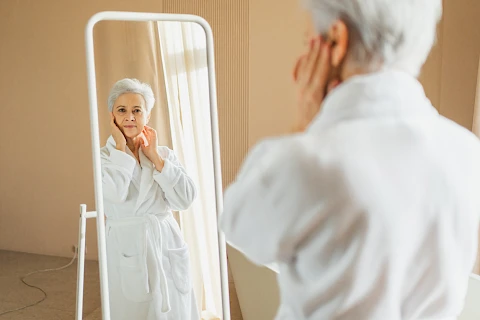
Caring for a senior loved one comes with challenges and rewards. One concern that often arises is a sudden change in personal hygiene. Family caregivers may notice their senior loved ones skipping showers, repeatedly wearing the same clothes, or neglecting daily grooming habits. These shifts can sometimes be linked to emotional changes, health issues, or physical limitations, and addressing them with patience and care can help restore comfort and well-being.
Common Causes of Hygiene Difficulties in Seniors
Several factors can result in new or worsening hygiene difficulties among seniors. Understanding these can help caregivers address the issue more effectively.
Seasonal Affective Disorder (SAD)
Seasonal affective disorder is a type of depression influenced by lack of sunlight, especially during the fall and winter months. SAD can decrease motivation, leading to neglect of self-care routines. Mental and emotional conditions such as depression, anxiety, or other mental health issues can significantly impact a senior's willingness or ability to maintain personal hygiene.
Physical Limitations
Conditions such as vision loss, arthritis, pain, loss of coordination, or reduced mobility can make it physically challenging for seniors to bathe or groom themselves, resulting in avoidance or reliance on others for assistance.
Other Potential Causes
Medication side effects, grief, or changes in routine and environment can also affect hygiene practices. So can issues with vision. Progressive mental conditions like dementia or Alzheimer's may cause seniors to forget or lose interest in their routines, including hygiene habits.
Identifying the Underlying Cause
Before taking any action, spend time observing and noting when and how hygiene lapses occur. Are they linked to specific times of day, activities, or emotional triggers? Communicate with your senior loved one with empathy and non-judgment. Ask open-ended questions about how they're feeling or if they're experiencing any difficulties. Encouraging them to see a healthcare professional can provide clarity. Avoid making assumptions or diagnoses yourself; professionals can offer an objective evaluation.
Approaching the Topic With Your Senior Loved One
Discussing hygiene can be a sensitive topic. Here are some ways to approach the conversation:
- Initiate the conversation gently: Start by expressing your observation and concern rather than focusing on what they're doing wrong.
- Protect their dignity: Frame your words to prevent making them feel embarrassed or defensive. Use "I" statements, like "I've noticed you seem to have a tough time with showers lately. Is there anything you'd like to talk about?"
- Listen and validate: Allow them space to express their feelings and acknowledge their experiences without judgment.
Practical Tips for Caregivers
Once the conversation is started, create a supportive environment by fostering an atmosphere of open dialogue to encourage your loved one to share their feelings. Encourage small changes by suggesting manageable adjustments to their routine to make hygiene tasks easier to tackle, such as lighter clothing or installing grab bars in the bathroom.
If the problems persist, seek professional help from a healthcare provider or mental health professional.
Compassionate Support for Better Hygiene Habits
Sudden changes in hygiene among seniors should be addressed with care and understanding. Recognizing potential underlying causes and approaching the subject thoughtfully can make a significant difference. Remember not to jump to conclusions but to seek professional guidance when needed.
If your senior loved one would benefit from assistance with personal care, in-home caregiving may be the best next step. Contact us at Senior Helpers Spartanburg for support and resources. We proudly serve the Greer, Taylors, Travelers Rest, Woodruff, and Laurens area, and we look forward to meeting your family. Together, we can ensure our senior loved ones receive the compassionate care they deserve.