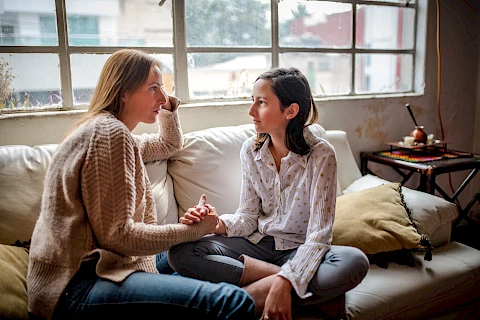
Dementia affects more than just the person diagnosed—it can touch every member of the family, including young children. When a senior loved one begins living with relatives, kids may notice changes they don’t understand. Since dementia can be confusing even for adults, it’s natural for children to feel uncertain or uneasy. That’s why clear, age-appropriate conversations are so helpful.
Preparing for the Conversation
Take care when choosing the right moment to talk to a child about dementia. Consider a time when they're relaxed and free from distractions. Tailor the conversation according to their age. Younger kids need simple explanations, while older ones may appreciate more detail.
Explaining Dementia to Young Children
To introduce the topic, you might say that dementia is a condition that affects how a person’s brain works. It can make it harder to remember names or follow conversations. Someone with dementia might repeat stories, seem confused about time, or act differently than before.
Let children know that dementia is a health issue—not something caused by anyone’s actions—and that it isn’t something that spreads from one person to another.
Questions Children Often Ask
Children are naturally curious, and they will likely have questions. That's a good thing. Here are some common ones and how you might answer them:
"Why does Grandma forget things?"
Explain that the parts of Grandma's brain responsible for remembering aren't working as they should because of her condition. Assure them that Grandma still loves them, even if she forgets sometimes.
"Will I get dementia, too?"
Reassure your child that dementia isn't something kids need to worry about getting right now. It's a condition that affects older people.
"Why does Grandpa act differently sometimes?"
Tell them that because of dementia, Grandpa's emotions can change quickly. Let them know it's not their fault and that showing love is still important.
Helping Children Cope
It's important to encourage children to be empathetic and patient with their senior loved ones. Let them know it's okay to feel confused or upset about the changes they're seeing. Involve them in activities that help maintain the bond, like looking through photo albums or helping with simple tasks. Be attentive to their emotions and provide a safe space for them to express their thoughts and feelings.
Creating a Supportive Environment
Including children in caregiving activities can help them feel involved and useful. Simple tasks like fetching a blanket or reading a story can be appropriate. Establish consistent routines to provide a sense of security and predictability. If you feel your child needs extra support, don't hesitate to reach out for resources that can provide additional guidance.
We're Experts in Whole Family Care
Discussing dementia with children is necessary to help them understand and cope with the changes in their loved ones. It fosters an environment of empathy and patience, helping the family face challenges together.
If you're a family caregiver in the Spartanburg, Greer, Travelers Rest, Woodruff, or Laurens area, contact us at Senior Helpers Spartanburg. With our exceptional support as dementia care specialists, your family can navigate the complexities of dementia with compassion and strength.