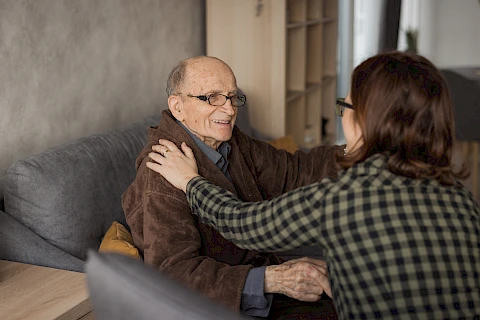
Parkinson's disease is a progressive neurological condition that gradually affects movement, often making everyday tasks more challenging. As a caregiver, having a solid understanding of the disease's symptoms and progression can make all the difference in providing thoughtful and effective care. Navigating the complexities of Parkinson’s requires a blend of emotional support, practical assistance, and a deep understanding of how the condition evolves over time.
Defining Parkinson's Disease
Parkinson’s disease results from the degeneration of nerve cells in the brain that produce dopamine, a chemical responsible for controlling movement. As dopamine production decreases, common symptoms such as tremors, stiffness, and slowness in movement develop. While the precise cause of Parkinson’s remains unknown, factors such as genetics and environmental influences may contribute to the onset of the disease.
Common Symptoms to Watch For
Parkinson’s disease manifests in both motor and non-motor symptoms.
- Motor Symptoms: Tremors are often the first sign of Parkinson’s, followed by stiffness in the limbs and trunk, and slow movements. These can make basic activities such as walking, dressing, or eating more difficult.
- Non-Motor Symptoms: These may include sleep disturbances, such as insomnia or vivid dreams, as well as mood changes like depression and anxiety. Cognitive difficulties, such as memory lapses and trouble concentrating, can also occur.
The Stages of Parkinson’s Disease
Parkinson's disease progresses in stages, with the rate of progression varying among individuals:
- Early Stage: Symptoms may be mild and not interfere much with daily activities.
- Middle Stage: Symptoms become more pronounced, making daily tasks more challenging. Additional help may be required during this stage.
- Advanced Stage: Severe symptoms can significantly impair movement and function, requiring comprehensive care to manage daily activities.
The Caregiver's Role
Caring for someone with Parkinson's comes with rewards and demands. As a caregiver, you provide emotional and physical support while encouraging your loved one's independence.
Emotional support is essential. Engage in open communication and practice patience, as mood changes and cognitive challenges can test your loved one and yourself.
Physical support involves assisting with mobility and ensuring safety around the home. It also involves helping them with exercises and activities to maintain their physical health.
Encouraging independence while guaranteeing safety is vital. Allow your loved one to perform tasks they can manage, but prepare to step in when they need help.
Managing Parkinson’s Day-to-Day
Adapting to daily life with Parkinson’s involves organizing routines that can accommodate the symptoms of the disease. One of the most helpful strategies is establishing a consistent routine. A predictable daily schedule helps reduce stress and provides your loved one with a sense of stability.
Medication management also plays a crucial role in daily care. Ensuring medications are taken on time and as prescribed is necessary to manage symptoms effectively. Additionally, seeking resources and support from local Parkinson's support groups or online communities can provide valuable insights. Connecting with others in similar situations offers an opportunity to share experiences and gain helpful tips.
Parkinson’s care services provide specialized care designed for those affected by the condition. These services are especially beneficial for seniors, providing tailored support that enhances their quality of life and ensures their needs are met in a way that promotes comfort and safety.
Supporting Seniors With Parkinson’s Disease
By implementing effective caregiving strategies, you can make a meaningful difference in the quality of life for your loved one living with Parkinson’s disease. It’s about balancing emotional and physical support while fostering independence where possible.
If you live in Spartanburg, Greer, Taylors, Woodruff, or Laurens and are looking for expert caregiving support for your senior loved one, contact Senior Helpers Spartanburg. Our team is here to offer in-home care services tailored to your loved one’s unique needs. Let us help you navigate the challenges of Parkinson’s and enhance your loved one’s well-being.