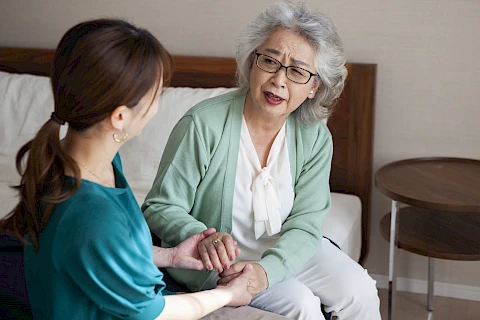
Seasonal Affective Disorder, commonly known as SAD, is a type of depression that occurs at a specific time of year, usually in the winter when there is less natural sunlight. It's more than just the "winter blues"; it can significantly impact daily life. Understanding SAD is crucial, especially for seniors and their caregivers, because older adults may be more vulnerable to its effects.
What Is Seasonal Affective Disorder?
SAD is a form of depression that follows a seasonal pattern. For seniors, recognizing SAD can be challenging because its symptoms often overlap with other age-related issues. Early recognition is key to managing and alleviating its symptoms, helping seniors maintain a better quality of life.
Common Symptoms of SAD in Seniors
Identifying the symptoms of SAD is the first step toward effective management.
Emotional symptoms include:
- Feelings of depression
- Anxiety
- Irritability
Physical symptoms can manifest as:
- Ongoing fatigue
- Changes in sleep patterns, such as sleeping too much or too little
- Weight gain due to increased appetite, particularly craving carbohydrates
Cognitive symptoms might involve:
- Difficulty concentrating
- Memory issues
Potential Causes of SAD
Understanding what causes SAD can help in managing it. Here are some potential causes:
- Reduced sunlight exposure is a major factor. Reduced sunlight can disrupt the body's internal clock, known as the circadian rhythm, leading to feelings of depression.
- Biological clock disruptions occur when seasonal changes affect the natural cycle of daylight, influencing mood and sleep patterns.
- Changes in serotonin and melatonin levels directly affect mood and sleep. Serotonin is a brain chemical that affects mood, while melatonin affects sleep patterns. Both can become unbalanced with reduced sunlight exposure.
Importance of Seeking Professional Help
If you or someone you know is showing signs of SAD, it's essential to seek professional help. Healthcare providers can offer a proper diagnosis and discuss treatment options. These may include therapy, medication, or light therapy, which uses a special lamp to mimic natural light.
Consulting with healthcare professionals is crucial to ensure the accurate diagnosis and effective management of SAD. They can tailor treatments to individual needs, which is especially important for seniors who may have other health considerations.
Coping Strategies and Lifestyle Changes
Several strategies can help manage SAD symptoms:
- Increasing exposure to natural light is beneficial. Spend time outdoors or sit near a window to soak in as much sunlight as possible.
- Maintaining a routine helps regulate sleep patterns and can improve mood stability.
- Engaging in physical activity and social interactions is also essential. Exercise can boost serotonin levels, while social interactions can provide emotional support.
- Dietary considerations and supplements such as vitamin D can also help. A balanced diet rich in fruits, vegetables, and lean proteins supports overall health and may improve mood.
Senior Helpers of Hilton Head, SC, Provides Professional Senior Care
Recognizing and addressing SAD is vital for seniors' well-being. If you're in Hilton Head Island, Bluffton, or Okatie and need assistance with senior care, Senior Helpers of Hilton Head, SC is here to support you. Don't hesitate to reach out for help managing SAD and ensuring a happier, healthier life for you or your loved ones.