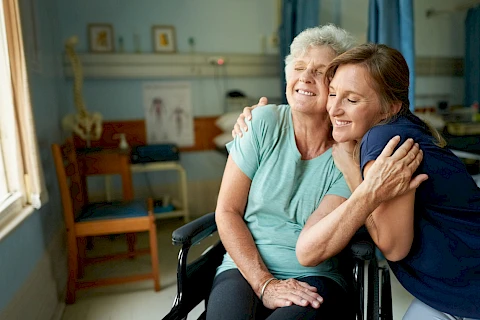
MS Awareness Month is an opportunity to highlight the challenges of caring for seniors with multiple sclerosis (MS). It’s a journey that requires understanding, patience, and a little extra effort, made even more challenging by age-related factors. Whether you're a family member or a professional caregiver, understanding MS is the first step to providing compassionate care.
Multiple Sclerosis in Seniors
MS develops when the immune system attacks the protective covering of the nerves. It disrupts all communication between the brain and the body, leading to a range of physical and mental challenges. In seniors, MS manifests through symptoms like fatigue, mobility issues, pain, and cognitive changes. These symptoms can vary greatly and change over time.
Unlike younger adults, seniors may experience a slower progression of MS but may find it more difficult to recover from relapses. This makes it critical for caregivers to pay attention to symptom changes and adjust care strategies accordingly.
Treatment Options for Seniors with MS
Treating MS in seniors involves a combination of medical and therapeutic approaches. Medications, including disease-modifying drugs, can slow MS progression and manage symptoms. However, treatments must be customized to suit each individual's health status and needs.
Therapy and rehabilitation are integral components of the treatment plan. Physical therapy can improve mobility and strength, while occupational therapy helps seniors manage daily activities. Speech and cognitive therapies are also valuable for addressing communication challenges and memory issues.
Daily Care Strategies
Managing daily activities for seniors with MS requires thoughtful planning and flexibility. Break tasks into smaller, manageable steps to reduce fatigue. Assistive devices can aid mobility and enhance safety. Ensure the home environment is safe and accessible, and install handrails and non-slip mats where necessary.
Encourage balanced meals and low-impact exercises like walking or stretching. A nutritious diet and regular exercise can boost energy levels, improve mood, and enhance overall well-being. Consult a doctor before introducing a new exercise routine to senior loved ones.
Emotional and Psychological Support
The emotional and mental health of seniors with MS is just as important as their physical health. Social isolation can worsen feelings of anxiety and depression, so it's helpful to encourage regular interaction with friends, family, and community groups.
Pay attention to signs of mental health challenges in senior loved ones and seek professional help if needed. Support groups, online and local, offer spaces for sharing experiences and coping strategies. Seniors can benefit from knowing they're not alone as they navigate the challenges of MS.
Resources and Support for Caregivers
Taking care of someone with MS is challenging, making access to support and resources crucial. The National MS Society provides information, support groups, and local resources. The Caregiver Action Network offers educational materials and a community for caregivers. Equally significant is self-care. Remember to carve out time for yourself, seek assistance when needed, and build a support network.
Senior Helpers Offers Compassionate MS Support and More
Caring for a senior with multiple sclerosis can be challenging, but access to the right resources and support can make a difference. If you have a senior loved one living with or recently diagnosed with MS, we can help. Senior Helpers Greenwood-Aiken, SC, offers personalized non-medical in-home care to seniors with MS and other chronic conditions. Contact us to explore your options in Leesville, North Augusta, Newberry, Aiken, and Greenwood.