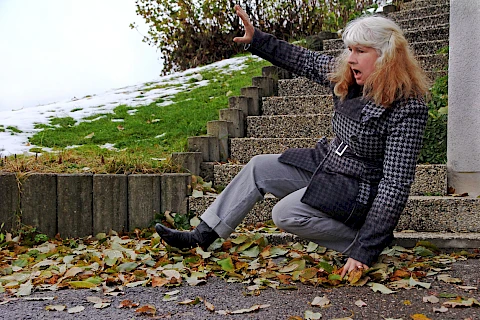
Winter weather can create unexpected problems around the house, even in areas where freezing temperatures are uncommon. Frozen pipes, slippery walkways, and poorly lit stairs are some cold-weather hazards that can lead to property damage or injuries. These practical tips from Senior Helpers can help prepare your home and reduce these risks before temperatures drop.
Preparing Your Home for Cold-Weather Hazards
Pipes in crawl spaces, garages, and exterior walls can be especially vulnerable when temperatures drop. Insulating exposed plumbing with foam pipe sleeves can reduce the chance of freezing. Disconnect garden hoses before the first freeze, since leaving one attached can trap water in the outdoor faucet.
Checking exposed plumbing before temperatures fall is one way to address common cold-weather hazards before they cause damage.
When a hard freeze is expected, a few additional steps can protect your plumbing:
- Let a faucet connected to exposed pipes drip slowly during especially cold weather.
- Open the cabinet doors beneath sinks along exterior walls so warmer air can reach the pipes.
- Keep your thermostat at a consistent temperature overnight rather than turning the heat down significantly.
- Locate your main water shutoff valve and make sure you can reach and operate it easily.
If a pipe bursts, shutting off the water promptly can limit damage. If you're unsure where the valve is or how to use it, ask a family member or plumber to show you.
Keeping Steps and Walkways Clear of Ice
Freezing rain can leave a thin layer of ice on porches, ramps, driveways, and sidewalks. Because this glaze can be difficult to see, treat shiny or wet-looking surfaces as potentially slippery. Keep ice melt near the entrance at an easy-to-reach height and use it according to the product instructions.
Sturdy handrails on outdoor steps provide extra stability. Check that they are securely attached, and arrange for repairs if they feel loose. Consider bringing in the mail or taking out the trash during warmer afternoon hours. Wearing rubber-soled shoes with good tread rather than slippers can also help you stay safe outdoors in cold weather.
Making Stairways Safer After Dark
Shorter winter days can leave stairways dim, making it harder to see each step clearly. Installing bright bulbs at the top and bottom of staircases, with switches accessible from both ends, can make all the difference. Night-lights in hallways can also make nighttime trips to the bathroom safer.
Keep stairways and walkways clear of loose mats, electrical cords, shoes, and stored boxes. Put frequently used items, such as blankets and flashlights, on shelves or in drawers that are easy to reach without climbing or stretching.
Preparing for Winter Storms and Power Outages
Winter storms are common cold-weather hazards that can damage power lines and leave homes without heat or electricity. Include power outages and emergency supplies in your winter weather preparations. Keep flashlights and extra batteries somewhere easy to find, along with warm clothing, blankets, and necessary medications. Never use fuel-burning heaters or generators indoors or near windows, as they can produce dangerous carbon monoxide.
Reliable Support with Winter Safety at Home
Some winter days make everyday tasks more difficult, especially when walkways are icy or the weather keeps you indoors. Senior Helpers East Columbia provides in-home assistance to older adults, including companionship, help with daily routines, support with errands, and more. Contact us to learn more about our services in Columbia, Blythewood, Lugoff, Elgin, and Camden.