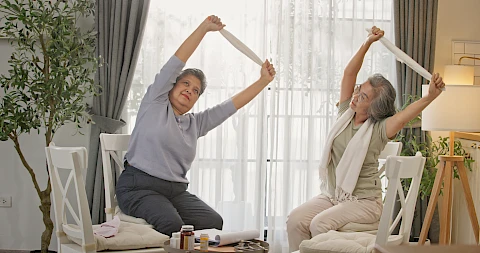
June is National Osteoporosis Month, and it's a good time to take a closer look at bone health. If you live in Columbia, Blythewood, or a surrounding community, you may have already heard your doctor mention bone density, calcium, or vitamin D. Osteoporosis is a condition that develops quietly over many years. Still, the steps you take now can make a real difference.
What Osteoporosis Actually Does to Your Body
Bone is living tissue. Your body constantly breaks down old bone and builds new bone, and for most of your life, those two processes stay roughly in balance. As you get older, that balance can shift, and bone tissue may be lost faster than it's replaced. The result is bones that are less dense and more likely to fracture, sometimes from something as ordinary as stepping off a curb.
According to the Bone Health and Osteoporosis Foundation, approximately 10 million Americans have osteoporosis, and another 44 million have low bone density that puts them at risk. Women are more commonly affected after menopause, but men develop the condition too, and the fracture risks are equally serious. A hip fracture in your 70s or 80s can affect your mobility, your independence, and your overall health far more than most people expect.
Building a Stronger Foundation Through Daily Habits
There are real, practical things you can do to slow bone loss and reduce fracture risk, and many of them fit naturally into a life you're already living.
Calcium and vitamin D. These two nutrients work together to keep bones dense. Most adults over 50 need around 1,200 mg of calcium daily, and the best sources are dairy products, leafy greens, canned salmon, and fortified foods. Vitamin D helps your body actually absorb that calcium. The National Institutes of Health recommends 600 to 800 IU of vitamin D daily for older adults, and many people in communities like Lugoff and Elgin may get some from outdoor activity. Your doctor can check your levels with a simple blood test.
Weight-bearing exercise. Walking, dancing, gentle hiking, and even light resistance training all put healthy stress on bones, signaling the body to maintain density. You don't need a gym. A 30-minute walk around your neighborhood in Camden or Dentsville several times a week gives your bones what they need. Talk with your doctor or physical therapist about the right routine for you.
Lifestyle choices that protect bone. Smoking and heavy alcohol use both accelerate bone loss. If you smoke, quitting is one of the most impactful things you can do for your bone, heart, and lung health. Limiting alcohol to one drink a day is another reasonable step.
Talk With Your Doctor About Screening
The best way to know where you stand is a bone density scan called a DEXA scan. It takes only a few minutes and is painless. The U.S. Preventive Services Task Force recommends screening for women 65 and older, and your doctor may suggest it earlier or recommend it for men based on your personal risk factors. Do not wait for a fracture to find out your bone density is low.
Taking the Next Step Toward Better Bone Health
Staying aware of your bone health is part of living well at home, and we fully support that kind of day-to-day attentiveness. Whether you're in Columbia, Blythewood, Lugoff, Elgin, or Dentsville, Senior Helpers East Columbia can support your overall wellness and help you stay active and safe in your own home.
For personalized support with senior care, contact us. We’re here to help you.