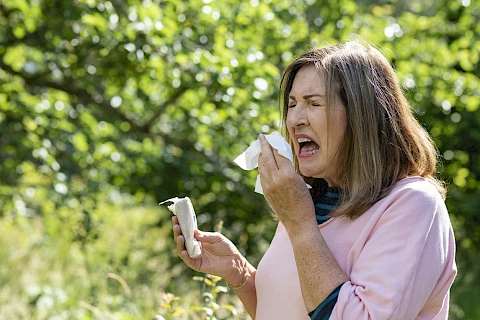
Seasonal allergies can be more than just a nuisance for seniors. They can significantly affect daily life and overall well-being. As we age, our bodies change, and so does our reaction to allergens. Senior Helpers East Columbia will explore how common allergens can impact seniors differently and what can be done to manage these symptoms effectively.
What to Know About Common Allergens
Pollen from trees, grass, and weeds is rampant during certain seasons, while dust mites and mold spores can linger throughout the year. Seniors may find their bodies react more intensely to these allergens than younger individuals do. This heightened sensitivity can lead to more severe symptoms, such as coughing, wheezing, and a runny nose, which in turn can affect sleep patterns and overall health.
Over-the-Counter Treatment Options
Many seniors turn to over-the-counter medications to ease allergy symptoms. Antihistamines, decongestants, and nasal sprays are popular options. Antihistamines like loratadine or cetirizine can help relieve sneezing and runny noses.
Decongestants may also clear stuffy noses but can sometimes increase blood pressure, a consideration for many seniors. Always consult with a healthcare provider to select the most appropriate medication and be aware of potential side effects, such as drowsiness. Read labels carefully and follow dosing instructions to manage symptoms safely.
When to Seek Medical Help
While over-the-counter medications can be effective, there are times when medical advice becomes necessary. Seniors should watch for symptoms that persist despite treatment or exacerbate conditions like asthma or chronic obstructive pulmonary disease (COPD).
Difficulty breathing, severe coughing, or any new, unexplained symptoms should prompt a visit to a healthcare provider. Seniors should always seek out and receive personalized advice for allergy management, ensuring treatments don't interfere with other medications or underlying health conditions.
Reducing Allergen Exposure at Home
Creating an allergy-friendly home environment can greatly reduce symptom severity. Here are some effective strategies:
- Invest in high-quality air purifiers to filter out pollen and dust
- Regularly clean and vacuum with a HEPA filter
- Use dehumidifiers to keep mold at bay
- Wash bedding frequently in hot water to tackle dust mites
- Keep windows closed during high-pollen times
- Remove shoes at the door to decrease indoor allergens
These simple adjustments can make the home a more comfortable place for seniors with allergies. Try one, two, or all of these strategies - it can often take a combination of treatments to alleviate allergy symptoms long-term.
Contact Senior Helpers for Assistance With Seasonal Allergy Management
Understanding common allergens and choosing the right treatment can mean the difference between enjoying the season and enduring it. It's vital to stay vigilant, consult health professionals when needed, and maintain a clean, allergen-free home.
Seniors and their caregivers in the Columbia, Blythewood, Lugoff, Elgin, Camden, and Dentsville areas can contact us at Senior Helpers East Columbia for personalized advice and support with senior care. Together, we can make seasonal allergies a manageable part of life, ensuring seniors enjoy a healthy and active lifestyle throughout the year.