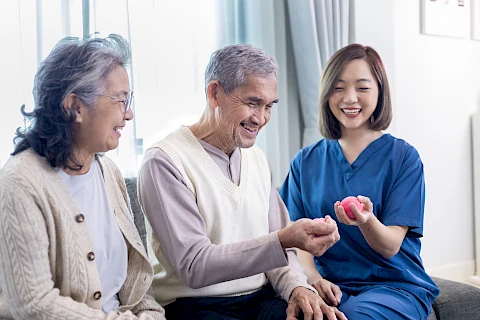
Arthritis often brings persistent discomfort and challenges that reshape how seniors navigate daily routines. Caregivers play a meaningful role in easing pain, encouraging movement, and balancing support with independence. Understanding the different types of arthritis and practical ways to assist can make a noticeable difference in seniors’ well-being. With thoughtful care, everyday tasks can become more manageable and mobility can be preserved.
What to Know About Arthritis
Arthritis is not a singular disease but a category that includes various types. Two common forms seen in seniors are osteoarthritis and rheumatoid arthritis. Osteoarthritis involves the wearing down of joint cartilage, while rheumatoid arthritis is an autoimmune condition that attacks the joints.
Symptoms often include joint pain, swelling, stiffness, and reduced range of motion. Seniors experiencing these symptoms need early diagnosis and treatment to manage their condition effectively and prevent further complications.
Pain Management Techniques
Managing pain and discomfort plays a major role in easing arthritis symptoms. Medications like anti-inflammatories and pain relievers can offer relief, especially when paired with heat or cold therapy and massage. Heat therapy helps relax muscles and boost circulation, while cold therapy works to reduce inflammation and swelling. Because arthritis affects each person differently, crafting a pain management approach that fits individual needs can make a meaningful difference.
Exercises to Maintain Mobility
Gentle movement can help reduce stiffness, strengthen muscles, and keep joints working more smoothly. Activities like swimming, walking, or stretching provide low-impact ways to stay active without putting extra stress on sensitive joints. Finding moments throughout the day to move—whether it’s a short walk or simple stretches—can make exercise feel less like a chore and more like a natural part of daily life.
Mixing different types of activity keeps things interesting and helps target various muscles. Seniors must pay attention to how their body feels and adjust their pace accordingly. Checking in with a healthcare provider before beginning new exercises helps ensure the routine fits their unique needs and abilities.
Assisting with Daily Tasks
Arthritis can make everyday tasks more challenging, and caregivers play a valuable role in easing these difficulties. Using assistive devices like jar openers, button hooks, or reach extenders can transform frustrating chores into manageable ones, allowing seniors to accomplish more on their own. At the same time, encouraging seniors to tackle tasks independently whenever possible supports their confidence and sense of autonomy. Finding the right balance between offering help and fostering self-reliance preserves dignity and motivation.
Encouraging Independence
Promoting independence in seniors with arthritis can positively impact their emotional well-being. Encouraging seniors to make their own decisions builds autonomy and confidence. Minor adjustments, such as choosing their outfits or planning their meals, can empower them.
Celebrate small achievements to boost their confidence. For instance, acknowledge their efforts when they manage to complete an activity independently. This encouragement can motivate seniors to stay active and involved in their day-to-day lives.
Get Custom Care and Support From Senior Helpers
Supporting seniors with arthritis means understanding their unique needs and providing care that balances assistance with independence. Managing pain, encouraging movement, and helping with daily tasks can improve comfort while promoting confidence. Caregivers who offer attentive, personalized support play a crucial role in enhancing the quality of life for those living with arthritis.
Senior Helpers Anderson, Oconee, and Pickens Counties offers personal, companion, and chronic disease care designed to assist with daily activities, provide companionship, and support ongoing health needs. Serving Anderson, Easley, Seneca, Belton, and Central, these services help seniors with arthritis maintain mobility, manage symptoms, and stay engaged. Reach out today to learn how we can make a positive difference for your family.