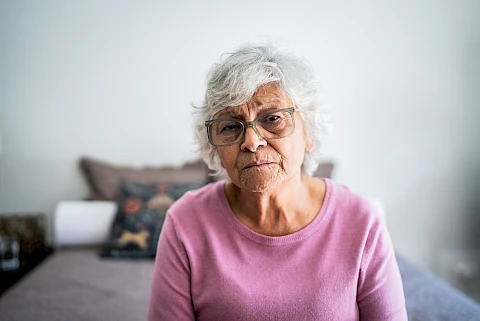
As we observe Anxiety Awareness Month, it's important to focus on a group that might not always be in the spotlight: our senior loved ones. Other health concerns in seniors can often overshadow anxiety, but recognizing it early can significantly improve their quality of life. Learn the signs of anxiety in your senior loved ones and how to help them manage it.
Recognizing Signs of Anxiety in Seniors
Acute anxiety can manifest in seniors through restlessness, rapid heartbeat, and sweating. They may suddenly appear nervous or constantly worried about immediate concerns.
On the other hand, chronic anxiety is characterized by long-term patterns. Seniors with chronic anxiety might express constant worry about health, finances, or the well-being of family members. They might also have trouble sleeping and show changes in appetite or mood.
It's essential to differentiate anxiety from other health issues prevalent in seniors, like heart conditions or dementia. Anxiety can sometimes mimic these conditions, so it's important to stay attentive to the nuances of each symptom.
Immediate Strategies to Alleviate Anxiety
Once anxiety is identified, there are strategies you can use to help in the moment. Creating a calm environment is crucial. This might mean dimming the lights, reducing noise, or ensuring the space feels safe and comfortable.
Effective communication can also make a big difference. Speak slowly and soothingly and reassure them that you are there to help. Be patient and listen to their concerns without judgment.
Breathing exercises and relaxation methods can have an immediate calming effect. Encourage your loved one to take slow, deep breaths. Counting to four during each inhale and exhale helps them focus and relax.
Long-term Approaches to Managing Anxiety
Regular physical activity can be beneficial for long-term anxiety management. Encourage your loved ones to participate in activities like walking or gentle yoga, which can reduce anxiety and improve overall health. Seniors should always consult with their doctor before starting a new fitness routine.
Promoting social engagement and hobbies is equally vital. Whether it's attending community events or simply indulging in old hobbies like knitting or gardening, staying socially and mentally active helps reduce anxiety levels.
If the anxiety seems unmanageable, seek professional help. A healthcare provider can diagnose anxiety and recommend treatments ranging from therapy to medication. Don't shy away from seeking medical advice when necessary.
Monitoring and Supporting Your Loved One
Keeping track of when your loved one feels anxious can provide valuable insights. Note any patterns or triggers that seem to bring on their anxiety, and try to adjust their environment or routine to minimize these stressors.
Encouraging open conversations about feelings is another way to support them. Let them know they can talk to you without fear of judgment. This transparency can help them feel more in control and less isolated.
Finally, building a support network can help. Connect with local groups or community resources. Knowing that a team is ready to help can alleviate your stress as a caregiver and provide your loved one with confidence that they are cared for and supported.
Caring for Seniors: A Collaborative Approach to Anxiety Management
Recognizing anxiety in seniors and taking immediate and long-term steps can make a significant difference in their lives. Remember to create a calm environment, promote healthy activities, and seek professional help.
Taking proactive steps helps your loved ones and makes your caregiving role more manageable. If you live in Anderson, Easley, Seneca, Belton, or Central, contact us at Senior Helpers Anderson, Oconee, and Pickens Counties. Our team is ready to offer local support and assistance with senior care.