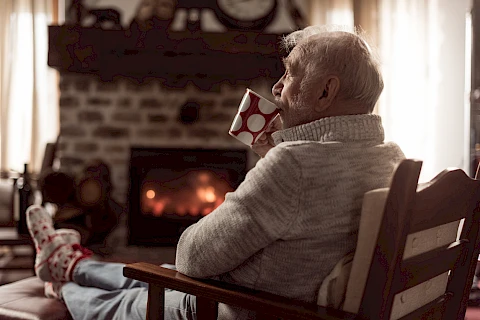
Winter can be a difficult time for everyone, but it's especially challenging for seniors. Keeping warm isn't just about comfort; it's a crucial part of staying healthy and safe during the colder months. Seniors face unique challenges when the temperature drops. They are more susceptible to illnesses and conditions like hypothermia. As caregivers, we must take extra precautions, focusing on keeping seniors warm and safe throughout the winter months. We want to offer tips for proper heating use, recognizing signs of hypothermia, layering clothing, accessing heating assistance programs, and monitoring seniors who live independently.
Proper Heating Use
The first step in keeping seniors warm is ensuring their homes are properly heated. Safe heating options include central heating systems, electric space heaters, and radiant heaters. Maintain a constant warm temperature throughout the home. Keeping the thermostats at a minimum of 68 degrees Fahrenheit is recommended.
Safety precautions are crucial when using any heating device. Ensure heaters are at least three feet away from anything that could catch fire, like curtains or bedding. Verify that smoke and carbon monoxide detectors are working and replace batteries regularly. Avoid using space heaters unattended and never use ovens as a heating source, as they pose a significant safety risk.
Recognizing Hypothermia Signs
Hypothermia occurs when body temperature drops too low, and seniors are at a higher risk due to slower metabolic rates and less body fat. Being aware of its signs can be lifesaving. Common symptoms in seniors include shivering, slurred speech, slow reactions, confusion, exhaustion, and pale or cold skin. If you suspect hypothermia, seek medical help immediately and move the senior to a warm place. Wrap them in warm blankets and offer them warm beverages if they are conscious.
Layering Strategies
Dressing in layers is one of the most effective ways to retain body heat. It allows seniors to adjust to temperature changes throughout the day. Start with a base layer of moisture-wicking fabric to keep skin dry. Add a middle layer of insulating materials, such as wool or fleece, to trap heat. The outer layer should protect against wind and moisture, so choose water-resistant coats. For indoor and outdoor activities, ensure seniors have warm socks, hats, and gloves. This extra care helps prevent heat loss from extremities.
Accessing Heating Assistance Programs
Some seniors may struggle with heating costs. Fortunately, several heating assistance programs are available in the Pittsburgh area. The Low-Income Home Energy Assistance Program (LIHEAP) offers financial help to eligible seniors. Caregivers can assist seniors in applying for these programs by gathering necessary documents and completing application forms. Local organizations and community centers can provide additional resources for financial aid. It's also worthwhile to check with utility companies for any discounted senior heating rates.
Monitoring Seniors Living Independently
Seniors living alone require extra attention during the winter months. Regular check-ins are essential. Caregivers can schedule daily or weekly visits to ensure living conditions are warm and safe. Technology, such as smart thermostats and emergency alert devices, can offer peace of mind. Encourage seniors to use video calls as a way to visually check their environment. Regular communication, whether through calls or visits, helps build a support system. Knowing someone is looking out for them gives seniors a sense of security.
Senior Helpers Northwest Pittsburgh Can Help Seniors Stay Warm and Cozy
Keeping seniors warm and safe during winter involves taking proactive steps. Caregivers keep seniors warm and safe by ensuring proper heating, recognizing signs of hypothermia, promoting effective layering, and helping them access financial assistance. Regular check-ins and communication, especially for those living independently, can make a big difference. For more support with senior care, reach out to Senior Helpers Northwest Pittsburgh. Our professional assistance in Avalon, Bellevue, Ben Avon, and the surrounding areas is here to help.