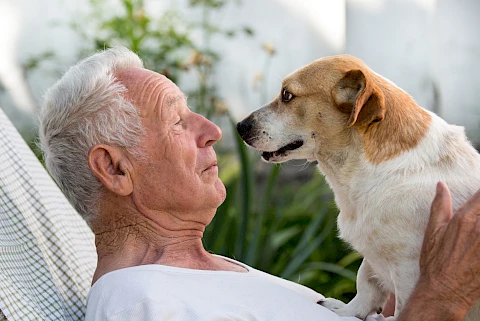
Caring for someone with Parkinson’s disease often involves managing a mix of physical challenges and emotional shifts. Mobility issues, tremors, and changes in mood or behavior can make everyday life more complex. Pet therapy offers a creative and uplifting option for caregivers looking to bring more comfort and connection into daily routines. This approach introduces animals as companions, helping promote well-being, encourage activity, and provide meaningful emotional support.
Benefits of Pet Therapy for Individuals With Parkinson's
Pet therapy can brighten a senior’s day in immediate and lasting ways. Emotionally, animals offer comfort and companionship, helping reduce anxiety, ease symptoms of depression, and create moments of calm. A friendly pet can lift spirits and encourage smiles even on difficult days.
Physically, caring for or interacting with animals often involves movement, whether brushing a dog, tossing a toy, or walking, which supports motor function and coordination. Even brief, gentle activities can contribute to improved strength and balance. Remember to check with your doctor before starting a new form of exercise.
Socially, pets spark conversation and connection. Their presence can make it easier for seniors to engage with others, helping reduce loneliness and promoting interaction.
Choosing the Right Pet for Therapy
Not every animal will be the right fit for every individual. Matching the temperament and care needs of the pet to the preferences and abilities of the person receiving care is key. Dogs are popular for their affectionate and engaging nature, but cats, rabbits, or other small animals may be better suited in some situations. A calm cat may provide quiet companionship, while a playful dog might encourage physical activity. Learning the best fit helps create a positive, lasting bond that benefits the person and the animal.
Incorporating Pet Therapy Into Daily Care Routines
Once you've chosen the right pet, it's time to incorporate them into the daily care routine. Start by introducing the pet slowly and gently. Allow the senior to become familiar with the animal at their own pace. Establish a structured schedule so the senior and the pet know when interactions will occur. This adds a sense of routine and anticipation, which can be comforting.
Observe how the senior responds to the presence of the pet. Some might enjoy extended visits, while others prefer shorter interactions. Adjust the routine based on these observations to ensure it's a beneficial experience for both.
Safety and Support for a Positive Experience
While pet therapy offers many benefits, safety should always come first. Animals involved should be well-trained, gentle, and accustomed to interacting with people with mobility or sensory challenges. Maintaining a clean environment and choosing hypoallergenic pets, when necessary, helps avoid complications. Caregivers may also benefit from guidance or training to better support safe and enjoyable experiences for the individual and the animal.
Bringing Comfort and Connection to Parkinson’s Care
Pet therapy adds warmth, movement, and emotional richness to daily life for individuals with Parkinson’s. When thoughtfully integrated, it offers an uplifting way to promote well-being, foster joy, support physical activity, and reduce isolation. Pet therapy can be a rewarding addition for caregivers seeking ways to enhance care. If you’re interested in personalized Parkinson’s care, including supportive therapies, Senior Helpers Greensburg can help. Our custom senior care services are available in Greensburg, Jeanette, Irwin/North Huntingdon, Latrobe, and Mt. Pleasant. Contact us today to learn more.