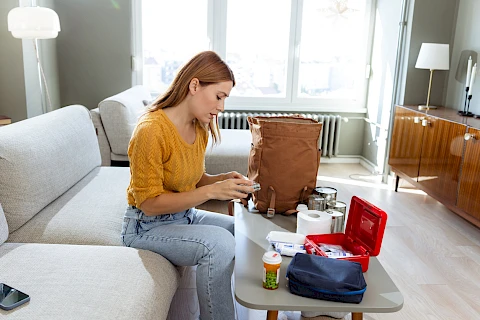
Part of caregiving is preparing senior loved ones for emergencies. Safety Month is the best time to build such a plan. Whether your parent lives alone, has health issues, or is far from family, having a clear plan when an emergency strikes offers everyone peace of mind. From outlining key steps to involving your loved one in the process, this guide covers creating an emergency plan that's practical, personal, and ready to put into action.
The Necessity of an Emergency Plan
Seniors can face various emergencies, from health issues to natural disasters. Those who live alone or far from family may find these situations particularly challenging. A structured emergency plan can mitigate risks by ensuring they know what steps to take, who to contact, and where to go if needed. Knowing what to do during an emergency reduces confusion and stress when every second counts.
Key Components of an Emergency Plan
A comprehensive emergency plan has several key components that work together to keep seniors safe and prepared. Here’s a closer look at what to include:
- Personal and medical information documentation: Keep a list of essential details, such as allergies, medications, and health conditions. This information can be vital for first responders during a crisis.
- Emergency contact list: Include phone numbers for family members, neighbors, doctors, and caregivers to ensure that seniors can reach the right person quickly.
- Evacuation routes and meeting points: Plan and practice evacuation routes. Identify safe places to meet if the primary home is compromised.
- Essential supplies and medications: Ensure seniors have an emergency kit with essentials like medications, water, food, and first aid supplies. Keep this kit easily accessible.
- Establish an emergency communication plan: Determine how seniors will communicate with family members during a crisis. Consider phone calls, text messages, or emergency apps, depending on the senior’s comfort with technology.
Discussing the Plan With Senior Loved Ones
Involve your senior loved ones in the conversation and acknowledge their concerns and fears. Let them know you understand their feelings and value their input. Encourage them to take an active role in designing the plan. Besides empowering them, this also encourages them to adhere to the strategy when it matters most.
Involving Key Individuals in the Plan
A successful emergency plan relies on support from various individuals. Healthcare professionals and doctors play a vital role in providing medical guidance and ensuring prescriptions are up-to-date. Keep them informed about any medical needs in emergencies.
Establish relationships with trusted neighbors who can check in during an emergency. Professional caregivers are also invaluable in coordinating care and ensuring the plan is practical. They are trained to handle emergencies with efficiency and care.
Implementing and Reviewing the Plan
Ensure that all involved are familiar with their roles. Practice the plan to identify areas that need improvement. Situations and health conditions change, so regularly update the plan to reflect new circumstances or medical needs. Just like fire drills, practice helps everyone remember their role. Run through scenarios to ensure everybody understands what to do.
Start Making Your Emergency Plans Today With Support From Senior Helpers
A comprehensive emergency plan is essential for the safety and well-being of your senior loved ones. If you’d like to work on one and need support caring for a senior family member while doing so, Senior Helpers Exton can help. We provide personalized in-home senior care and support in West Chester, Coatesville, Downingtown, Kennett Square, and Chester County. Contact us today for more information!