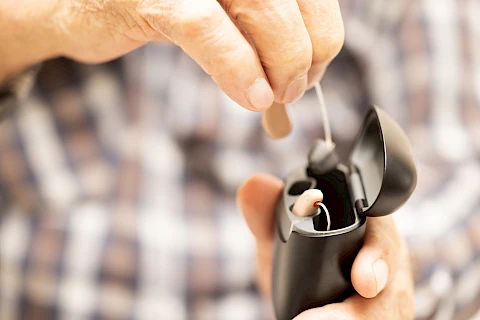
Hearing aids can greatly enhance the quality of life for seniors by aiding one of the most critical senses—hearing. Proper care and maintenance of these devices are essential to ensure they work effectively. Senior Helpers offers suggestions on how seniors can make the most of their hearing aids with proper care and maintenance.
Daily Cleaning Routine
Keep hearing aids clean for optimal performance. Daily cleaning helps prevent issues related to earwax, dirt, and moisture. Gather the right tools, including a soft, dry cloth, a hearing aid brush, and a wax pick or wire loop.
Gently wipe the exterior of the hearing aid with the soft cloth to remove any visible debris. Use the brush to clean around the microphone cover, taking care not to push any particles further into the device.
Detach the earmold from the main device, if possible. Clean the earmold with soapy water and let it dry completely before reassembling. Use the wax pick to remove any earwax from the tubing, working carefully to avoid damaging the delicate components.
Remove your hearing aids before showering, swimming, or applying hair products to prevent moisture from getting in. It is also wise to store hearing aids in a dehumidifying case overnight.
Battery Management
Proper battery management helps hearing aids function well. There are different types of hearing aid batteries, commonly labeled as 10, 13, 312, and 675, each with its specific lifespan.
Wash your hands thoroughly to prevent transferring oils and dirt when handling batteries. Store them at room temperature; do not refrigerate.
Turn off your hearing aids when not in use and open the battery door overnight to extend battery life. If the sound becomes weak or the device fails to turn on, check and replace the batteries.
Troubleshooting Common Issues
Hearing aids may still encounter issues even with proper care. Understanding how to address common problems can save you time and frustration.
If you experience no sound or weak sound, ensure the hearing aid is turned on and the volume is set correctly. Check the battery, as a dying battery is often the culprit. Examine the tubing for blockages that might be preventing sound from reaching your ear.
For feedback or whistling noises, check the earmold for a secure fit. An improper seal is a frequent cause of these sounds. Make sure nothing is blocking the microphone, which can also create unwanted noise.
If the sound is distorted or unclear, clean the microphone cover and change the wax guard. Buildup can significantly affect sound quality. Ensure the battery is fully charged, as low power can cause distortion.
When to See an Audiologist
Regular check-ups with an audiologist are important to keep your hearing aids in optimal condition. If you experience persistent issues or discomfort, or if performance declines, seek professional help. An audiologist can adjust settings, fit the earmold, and provide advanced troubleshooting. They can also evaluate whether your hearing aids require repairs or upgrades.
Senior Helpers Can Help With Hearing Aids
Taking care of your hearing aids involves routine cleaning, diligent battery management, and simple troubleshooting.
Senior Helpers provides a wide array of quality, in-home senior care services. If you live in the Bend, Redmond, Sisters, or Madras areas, contact us anytime at Senior Helpers Central Oregon. We are happy to help you maximize your hearing aid performance and improve your quality of life.