Oklahoma summers often bring heat indices above 100 degrees across Norman, Chickasha, and nearby communities. For older adults with diabetes, extreme heat may affect blood sugar levels, increase the risk of dehydration, and reduce the effectiveness of insulin and other medications. Family caregivers can help lower the risk of complications by monitoring blood sugar, keeping diabetes supplies at safe temperatures, encouraging hydration, checking feet daily, and preparing for heat-related emergencies.
How Heat Affects Blood Sugar and Insulin
Hot weather may cause insulin to be absorbed more quickly, increasing the risk of hypoglycemia (low blood sugar) even when your loved one's dose has not changed. Physical activity in the heat may have a similar effect. At the same time, dehydration can raise blood sugar by concentrating glucose in the bloodstream. Monitor blood sugar as directed by your loved one's healthcare provider and encourage regular fluid intake throughout hot weather.
Insulin Storage During Hot Oklahoma Summers
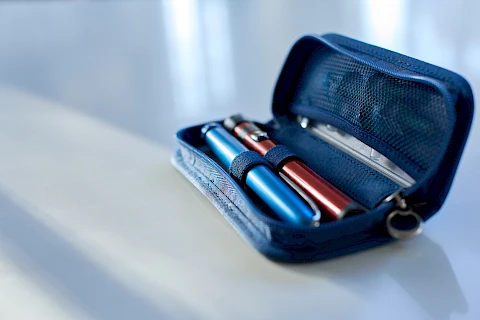
High temperatures can reduce insulin's effectiveness, even if it appears normal. Never leave insulin in a parked car or direct sunlight. Store it according to the manufacturer's instructions and use an insulated pouch with a cool pack when traveling, making sure the insulin does not freeze. Keep a backup supply refrigerated at home and check expiration dates regularly.
Foot Care in Summer Heat
Peripheral neuropathy can make it difficult for older adults with diabetes to feel blisters, burns, cuts, or insect bites. Before going outdoors, make sure your loved one wears well-fitting socks and closed-toe shoes, and check the inside of their shoes for debris. Perform a daily foot check for redness, swelling, blisters, cuts, or other skin changes, and encourage your loved one to avoid walking barefoot on hot surfaces. Contact a healthcare provider promptly if you notice a wound that is not healing or signs of infection.
Recognizing Heat-Related Complications
The symptoms of heat exhaustion and hypoglycemia overlap in ways that can be confusing: dizziness, sweating, shakiness, and weakness appear in both. When in doubt, treat for low blood sugar first (a small amount of juice or glucose tablets if your loved one is conscious and able to swallow), then move them to a cool environment and call their healthcare provider.
Know in advance what threshold calls for an emergency room visit. Have a written list of your loved one's medications, dosages, and their diabetes care provider's contact information somewhere accessible to both of you.
Personalized Diabetes Care at Home During Summer
Summer heat can add new challenges to diabetes care, but regular monitoring, proper hydration, safe medication storage, daily foot checks, and planning for emergencies may help reduce the risk of serious complications. Staying in contact with your loved one's healthcare team when symptoms change or concerns arise can help address problems early. And just like in-home care can help reduce high blood pressure and hypertension, extra in-home help can make day-to-day diabetes care easier to manage.
Through Senior Helpers Norman’s Chronic Disease Care, Personal Care, and other personalized in-home care services, our caregivers can assist with medication reminders, meal preparation, hydration, mobility assistance, and daily routines that help older adults in Newcastle, Lindsay, Washington, Norman, and Purcell manage diabetes safely during the hottest months of the year. Contact us today to learn how our care team can help your loved one remain healthy, comfortable, and independent at home this summer.