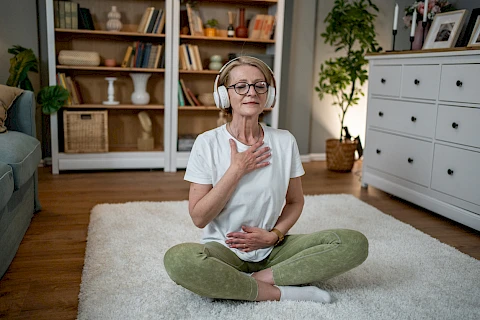
Anxiety can affect older adults in ways that are easy to mistake for aging, health concerns, or changes in routine. A senior who worries excessively, avoids activities, or frequently seeks reassurance may be experiencing anxiety, yet many older adults are hesitant to discuss mental health for seniors or seek help. This Anxiety Awareness Month, learn how to start supportive conversations and introduce coping skills that reduce stress and make anxiety discussions easier.
Starting the Conversation Gently
Focus on observations rather than labels. Comments such as, “I've noticed you seem more worried lately,” invite conversation without suggesting a diagnosis. Choose calm, private moments, listen without judgment, and keep the conversation open. Many seniors become more receptive after repeated supportive conversations.
Coping Skills That Can Ease Anxiety
Anxiety is one of the most common mental health concerns among older adults. Simple coping techniques can help seniors manage stress and feel more comfortable discussing emotions.
Slow, Controlled Breathing
Slow breathing can ease tension caused by anxiety. Inhale through your nose, pause, then exhale slowly through your mouth, using a steady rhythm or by counting your breaths.
Grounding Techniques
Grounding exercises redirect attention to the present by naming sights, sounds, and sensations, or by focusing on touch, like your feet on the floor or objects in your hand.
Gentle Physical Activity
Walking, stretching, or gardening can reduce tension and improve mood. But before starting any new exercise, seniors should consult their physician.
Consistent Daily Routines
Regular schedules for meals, sleep, and activities reduce uncertainty and ease anxious thoughts by creating structure in everyday life.
Social Connection
Regular contact with friends, family, or community groups can ease isolation and reduce anxiety, offering comfort, distraction, and a sense of connection.
Limiting Distressing Media Exposure
Frequent exposure to upsetting news can heighten worry in older adults. Reducing news consumption and replacing screen time with calming activities can help ease stress.
Activities That Promote Relaxation
Music, reading, puzzles, crafting, time outdoors, gardening, or spiritual practices can create calm moments. Preferences vary, so it may take some trial and error.
When caregivers introduce coping skills casually and without pressure, seniors may be more willing to try them. Positive experiences with these techniques can also make future conversations about anxiety, emotional health, and professional care feel more approachable.
Moving Toward Professional Support
Seniors may become more open to professional help after noticing that coping strategies ease daily stress. A doctor’s visit framed as a routine check-in rather than a referral for mental health treatment can feel less overwhelming. A primary care physician can assess whether anxiety is linked to medication, health conditions, or other factors, and recommend appropriate next steps.
Supporting Emotional Well-Being at Home
Seniors who are hesitant to discuss anxiety often respond better to conversations centered on daily experiences and practical ways to feel better. Approaching with curiosity, listening without judgment, and sharing coping skills such as controlled breathing, grounding exercises, social connection, calming activities, and steady routines can make emotional topics easier to discuss. Over time, these conversations may open the door to speaking with a healthcare provider about ongoing worries or mood changes.
For families in Norman, Purcell, Blanchard, Chickasha, and Pauls Valley, Senior Helpers Norman offers in-home care that helps reduce anxiety triggers like isolation, disrupted routines, and daily stressors. Through companion care, assistance with everyday activities, and meaningful engagement, caregivers can help seniors enjoy greater comfort, connection, and consistency at home.
Contact us to learn how in-home care can help create a calmer, more reassuring daily experience for the senior in your life.