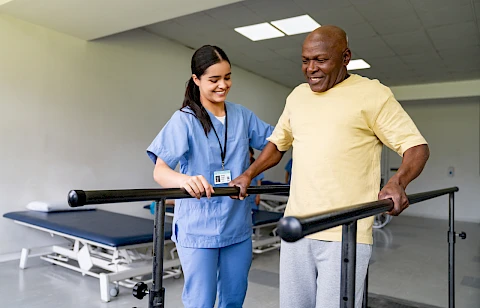
Parkinson's disease causes a gradual decline in movement and coordination. Many people are aware of Parkinson's but might only associate physical therapy with recovering from injuries or surgeries. However, physical therapy helps those with Parkinson's maintain their mobility and dexterity, which are essential for preserving a good quality of life.
The Impact of Parkinson's Disease
Parkinson’s disease gradually changes how the body moves and responds, often leading to tremors, stiffness, slower movement, and reduced coordination. These changes can affect balance, posture, and fine motor control, making daily activities more difficult over time. Physical therapy uses guided techniques to improve strength, flexibility, and movement patterns, helping seniors move more easily. It can also improve gait, stability, and hand coordination, reducing the risk of falls and making transitions like standing or turning smoother. Before beginning any new exercise or movement program, seniors should consult their physician to ensure it is appropriate for their individual health needs.
The Role of Physical Therapy in Parkinson's
Physical therapy aims to help Parkinson's patients manage their symptoms and improve their daily functioning. A physical therapy program for someone with Parkinson's usually includes exercises focused on strengthening the body, improving balance, and increasing flexibility. These exercises help seniors maintain their physical abilities and reduce their risk of falling. Therapy plans are personalized for each individual, taking into consideration their specific needs and abilities.
Some exercises used in therapy might include stretching, strength training, and activities that improve coordination and balance. Therapists might also use activities such as walking, cycling, or swimming to enhance overall fitness. By focusing on these areas, physical therapy can also improve seniors' confidence and motivation, which is important for their mental health.
Benefits of Physical Therapy for Seniors with Parkinson's
The benefits of physical therapy for seniors with Parkinson's are numerous. By following a tailored exercise program, seniors can improve their mobility, making it easier to move around safely and independently. This independence means they are less likely to fall and can perform daily activities more effectively. Additionally, physical therapy can have a positive impact on mental health, promoting a sense of achievement and well-being. Regular exercise can also help in reducing anxiety and depression, which are common among Parkinson's patients.
Success Stories and Testimonials
Many seniors have experienced significant improvements thanks to physical therapy. For example, one patient, John from Chickasha, found that after a few months of therapy, he could enjoy his daily walks again, which he thought he had lost the ability to do. His family also noticed that he became more confident and happier. Stories like these highlight the positive impact of physical therapy on seniors' lives.
Continuing Progress at Home
Physical therapy helps seniors with Parkinson’s improve movement, coordination, posture, and hand function, making daily routines feel more manageable and less restrictive. With regular, guided exercises and movement training, many individuals experience steadier walking, better balance, and greater ease with everyday tasks. Building on these gains at home can make progress more consistent.
Serving seniors in Norman, Purcell, Blanchard, Chickasha, and Washington, Senior Helpers Norman provides in-home care services that complement physical therapy, including Parkinson’s-specific care plans, mobility assistance, and daily living support tailored to each individual. Reach out today to learn how personalized care can help make each day more comfortable and manageable.