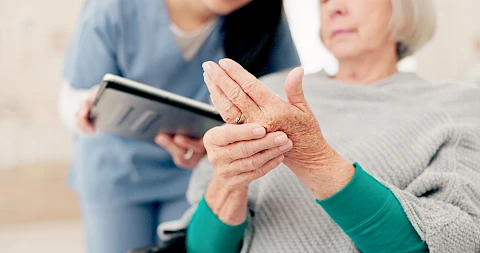
Chronic pain is a common issue for many seniors, making effective pain management necessary for their well-being. This discomfort can linger beyond regular healing times, affecting daily activities and overall quality of life. Recognizing how to manage chronic pain can significantly enhance a senior's life, allowing for more joyful and comfortable days. Caregivers with the necessary insights and strategies can better support seniors experiencing chronic pain.
Comprehending Chronic Pain in Seniors
Chronic pain in the elderly can be caused by various factors, including arthritis, nerve damage, or injuries that have not healed properly. It's helpful to recognize that untreated pain can severely impact a senior's quality of life, leading to decreased mobility, isolation, and even depression. Caregivers should watch for signs such as grimacing, changes in personality, or reluctance to move. These indicators often point to discomfort that a senior might not verbally express.
Non-Medication Strategies for Pain Management
Exploring non-medication strategies can be an effective way to manage chronic pain. Physical therapy and exercise tailored to a senior's abilities can greatly enhance strength and flexibility, helping to reduce pain. Gentle exercises like walking or swimming can be particularly beneficial.
Integrating mind-body techniques such as meditation and relaxation exercises can also help seniors manage pain by reducing stress levels and fostering a sense of calmness. A balanced diet is also helpful. Ensuring seniors have the right nutrients can assist in reducing inflammation and boosting overall health. Supplements like omega-3 fatty acids may contribute beneficial effects, but always consult with a healthcare provider before starting any new supplements.
The environment in which a senior lives also plays a part in pain management. A supportive, safe, and adaptive home can make daily tasks easier and reduce discomfort. For instance, installing grab bars in bathrooms or ensuring that essential items are within easy reach can help minimize strain and potential pain.
When to Seek Medical Help
Despite best efforts, there are times when professional medical intervention is necessary. If a senior's pain becomes unmanageable or significantly interferes with daily activities, seek medical help. Healthcare providers can offer various treatments, from medications to more advanced options like nerve blocks or surgery. Caregivers must work closely with these professionals to devise a comprehensive pain management plan tailored to the senior's specific needs.
Supporting Seniors in Expressing and Coping With Pain
Encourage seniors to discuss their pain. Caregivers can better understand and address the specific challenges the senior is facing by fostering an environment where they feel comfortable sharing. Emotional support, empathy, and patience go a long way in making seniors feel valued and understood. Many tools and resources are available to caregivers, including pain journals, where seniors can record their pain levels and triggers, helping to identify patterns and effective interventions.
Get Pain Management From Senior Helpers Greater Cincinnati
Effective chronic pain management requires understanding, patience, and a willingness to explore various strategies. Non-medication approaches, timely medical interventions, and open communication make a successful pain management plan. Caregivers are encouraged to support and advocate for their elderly loved ones, providing the care and attention they deserve. Senior Helpers Greater Cincinnati is here to offer personalized senior care solutions in Loveland, Hamilton, Fairfield, Milford, and nearby. If you have questions or need assistance managing chronic pain for a senior, don't hesitate to contact us for guidance and support.