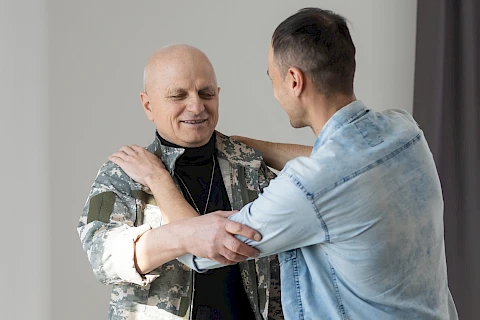
June is National PTSD Awareness Month, bringing attention to how post-traumatic stress can affect people throughout life, including older adulthood. Trauma-related symptoms may emerge or change decades after an event, sometimes influenced by aging, health changes, or major life transitions. Older adults may experience anxiety, disrupted sleep, irritability, or withdrawal rather than more recognizable PTSD symptoms. Treatment options, including trauma-focused therapy, medication, and clinical evaluation, may help reduce symptoms and improve quality of life.
How PTSD Can Look Different in Older Adults
PTSD symptoms in older adults may differ from those seen earlier in life, making them easier to overlook. Instead of frequent flashbacks, some seniors experience:
- Persistent anxiety or feeling constantly on guard
- Emotional withdrawal or loss of interest in favorite activities
- Sleep problems, including nightmares or frequent waking
- Irritability, avoidance of reminders of past events, or unexplained physical symptoms such as headaches or chronic pain
For veterans, survivors of historical trauma, or anyone who experienced violence or loss, symptoms may reappear or become more noticeable later in life. Retirement, the loss of loved ones, declining health, or reduced independence may bring difficult memories back to the surface or increase emotional distress.
The VA's National Center for PTSD has published resources specifically addressing PTSD in older adults and notes that PTSD symptoms may first appear or return in later life, highlighting the value of recognizing changes early and discussing concerns with a healthcare provider.
The Importance of Seeking Help
Many older adults assume PTSD symptoms are simply part of aging or worry about burdening others by talking about them. In reality, PTSD is a treatable condition, even when symptoms have lasted for many years. Trauma-focused therapies, including cognitive processing therapy and prolonged exposure therapy, may help reduce symptoms, and medication may also be appropriate for some individuals. A primary care physician can evaluate concerns and refer older adults to mental health professionals with experience treating trauma. Veterans in Ravenna, Aurora, and Solon may also access PTSD specialty care through the VA Medical Center in Cleveland, including telehealth services, making treatment more accessible for those who prefer to receive care from home.
How Family and Caregivers Can Help
If you're concerned about a senior you care for, the most helpful thing you can do is create space for honesty without pressure. Avoid pushing for details about a traumatic event. Instead, name what you've noticed: "You've seemed like you're carrying something heavy lately. I'm here if you want to talk about it." Then give them time.
Reducing daily stressors, maintaining routine, and ensuring that sleep and physical health are well-supported all help create the conditions in which someone can address deeper emotional challenges. Caregivers may also assist with medical appointments, navigating VA benefits, and connecting veterans with available PTSD treatment and community resources.
Personalized In-Home Care for Veterans and Seniors
Healing from trauma is possible at any stage of life. Recognizing changes, talking with a healthcare provider, and staying connected with trusted family members or caregivers may help older adults find effective ways to manage PTSD symptoms and improve daily well-being.
For veterans and other older adults living with PTSD, Senior Helpers of Portage/Geauga provides personalized in-home care services, including VA Benefit Assistance, to help eligible veterans in Aurora, Chagrin Falls, Chesterland, Hudson, and Kent and their families better understand and access available care options. Contact us to learn how in-home care may help a loved one feel more comfortable, engaged, and independent each day.