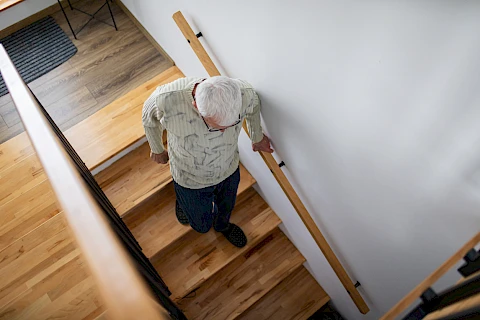
Falls are a leading cause of injury among older adults, often resulting in fractures, head trauma, and changes to daily routines. About one in four Americans aged 65 and older experiences a fall each year, many of them in the home. Shifts in balance, vision, and strength can increase risk, along with medications, uneven flooring, and poor lighting. Safer movement begins with some changes, including improved home conditions, supportive footwear, regular activity, vision care, and routine medication reviews.
Home Safety Modifications
Home hazards often contribute to falls during routine activities such as getting out of bed, walking to the bathroom, or reaching for items. Reducing risk starts with clear floors, uncluttered walkways, and frequently used items kept within easy reach. Bathrooms and stairways benefit from grab bars, handrails, and non-slip mats, while raised toilet seats and shower chairs can add stability. Bright, even lighting, nightlights, and motion-sensor lighting improve visibility. Securing loose flooring helps prevent sudden trips and missteps.
Balance and Strength Exercises
Regular exercise and daily movements that focus on senior strength and balance can reduce the risk of falls by providing seniors with the stability and muscle control they need to navigate their environment safely. Simple exercises like leg raises, wall push-ups, and toe stands can be practiced at home and are effective at improving balance and leg strength. Check with your doctor before starting any new types of exercise.
Choosing Proper Footwear
Proper footwear plays a strong role in reducing fall risk. Shoes with sturdy, non-slip soles and a secure fit offer better stability and traction, while high heels, slippers without support, and smooth leather or plastic soles increase the risk of slipping. A snug fit prevents sliding or tripping, making fastening methods like laces or Velcro especially useful for keeping shoes securely in place.
Regular Vision Checks
Clear vision supports depth perception and helps identify steps, uneven flooring, and obstacles in low light. Regular eye exams can detect diseases such as cataracts, glaucoma, and macular degeneration, and keep prescriptions up to date. Clean, appropriate eyewear improves clarity, and some individuals benefit from separate glasses for walking to avoid depth distortion. Good contrast between surfaces and reduced glare from windows or polished floors can also improve visibility and reduce missteps in daily movement.
Medication Reviews
Certain medications can have side effects that affect balance or alertness. Review your medications with your healthcare provider regularly, as some drugs may cause dizziness or drowsiness that increases the risk of falls. If you suspect that a medication is affecting your balance, consult with your doctor promptly. They can adjust your dosage or suggest alternatives that have fewer side effects.
Creating Safer Daily Routines at Home
Reducing fall risk involves consistent attention to the details of daily living—keeping walkways clear, improving lighting, using secure handrails and grab bars, wearing well-fitted, non-slip footwear, staying aware of vision changes, and reviewing medications that may affect balance or alertness. Regular movement that builds strength and steadiness can further improve coordination. When additional support is needed to reinforce these efforts and reduce hazards at home, Senior Helpers Portage / Geauga provides in-home care for seniors in Aurora, Chagrin Falls, Chesterland, Hudson, and Ravenna, focused on mobility, safety, and daily routines. Call us today to learn how personalized care can create a safer living environment.