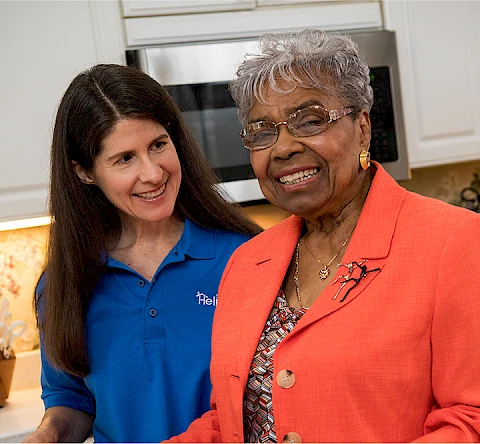
Companion Care: Supporting Daily Life and Social Connection
Companion care focuses on helping seniors stay socially engaged and emotionally supported while living at home. Many older adults live alone, which can sometimes lead to isolation or loneliness. A dedicated caregiver can provide meaningful companionship while assisting with everyday activities.
Companion caregivers often help with things such as:
- Friendly conversation and companionship
- Playing games or participating in hobbies
- Going for walks or enjoying outdoor time
- Preparing meals or sharing meals together
- Light household tasks and daily organization
These interactions help seniors stay mentally active and socially connected, which plays an important role in overall health and emotional well-being. For families, companion care also provides reassurance that their loved one has someone regularly checking in, offering support, and helping maintain a safe living environment.
Alzheimer’s and Dementia Care at Home
Seniors living with Alzheimer’s disease or other forms of dementia often benefit from the stability and familiarity of their own home. Remaining in a known environment can help reduce confusion, anxiety, and stress that may occur with major changes in surroundings.
Specialized Alzheimer’s and dementia care focuses on supporting both the cognitive and emotional needs of seniors experiencing memory loss. Caregivers trained in memory care can assist with:
- Establishing consistent daily routines
- Providing gentle reminders and guidance
- Offering cognitive stimulation and conversation
- Monitoring safety within the home
- Supporting families as care needs evolve
Every care plan is designed around the individual, helping seniors maintain dignity, comfort, and as much independence as possible while managing the challenges of memory-related conditions.
Benefits of In-Home Senior Care
One of the biggest advantages of in-home senior care is the ability for seniors to continue living where they feel most comfortable. Familiar surroundings often lead to improved emotional well-being and a greater sense of independence.
Key benefits of in-home care include:
- Remaining in a familiar and comfortable home environment
- Personalized care based on individual needs
- Flexible scheduling for families
- Emotional support and companionship
- Specialized care for memory-related conditions
For many families, this approach creates a balanced care solution that supports both safety and independence.
Creating a Personalized Care Plan
Every senior has different needs, which is why in-home care plans are typically customized. Some seniors may primarily benefit from companionship and social interaction, while others may require specialized support for Alzheimer’s or dementia.
A thoughtful care plan considers:
- Daily routines and preferences
- Level of memory or cognitive support needed
- Social interaction and companionship
- Safety and comfort within the home
As needs change over time, care plans can be adjusted to ensure seniors continue receiving the right level of support.