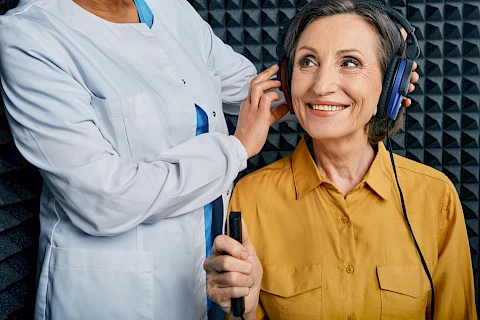
Hearing Awareness Week highlights an often-overlooked aspect of senior health: hearing loss. For many seniors, hearing issues gradually creep into their lives, unnoticed until they significantly impact their daily experiences. Early detection and evaluation can greatly improve the management of hearing loss in seniors. As caregivers, understanding when to seek a hearing evaluation for your loved ones is the first step toward preserving their sense of independence and joy.
Recognizing the Signs of Hearing Loss in Seniors
Caring for an aging family member requires paying close attention to changes in their health, including hearing. Here's what to keep an eye out for:
- Seniors frequently ask you to repeat yourself or struggle to follow conversations, especially in noisy settings. They may also turn up the volume on their TVs or radios much higher than before.
- Seniors may become more withdrawn and less interested in socializing. This is often a sign that they are having trouble hearing and might be embarrassed to participate in group settings.
By spotting these signs early, caregivers can help seniors seek the necessary evaluations and interventions.
Consequences of Untreated Hearing Loss
Ignoring hearing loss in seniors can lead to several serious problems that extend far beyond simple communication difficulties. Emotionally and socially, seniors may begin to feel isolated, leading to loneliness and depression. Losing the ability to communicate easily can create a profound sense of disconnection from family and friends, causing them to withdraw from the relationships and activities they once enjoyed.
The impact on cognitive health is equally concerning. Studies have shown that untreated hearing loss can speed up cognitive decline and increase the risk of dementia. The brain's reduced stimulation from auditory input may contribute to this decline, making early intervention all the more critical.
Seniors with hearing loss may also miss important cues such as alarms, warnings, or traffic sounds, putting their physical safety at risk in everyday situations.
Encouraging Reluctant Seniors to Get Tested
Some seniors with hearing loss may resist undergoing testing for various reasons. They may not recognize they have a problem or fear the stigma associated with wearing a hearing aid.
Take time to educate your loved ones about the benefits of hearing evaluations and how technology has made hearing aids more discreet and effective than ever before. Modern devices are often nearly invisible and include advanced features to enhance seniors’ quality of life.
Approach the subject gently. Share your observations and express concern for their well-being, emphasizing how much better their quality of life could be with proper hearing management.
Supporting Seniors Through the Evaluation Process
Once a senior agrees to an evaluation, support them through the process. The evaluation typically involves a physical exam, a hearing test, and a discussion of options if hearing loss is detected.
Accompanying your loved one to appointments provides valuable emotional support, improves communication, and helps you capture important information. Take notes during the appointment so you can review recommendations and next steps together later. Your presence can make the experience less intimidating and help your loved one feel more comfortable asking questions.
Is Hearing Loss a Concern for Your Senior?
Addressing hearing loss in seniors is essential for maintaining their well-being and independence. Don't let hearing loss rob your loved one of their quality of life. For assistance with in-home care needs, contact us at Senior Helpers Greater Rochester. We're here to help manage seniors’ needs, contributing to happier and healthier lives in the Rochester and Hilton areas.