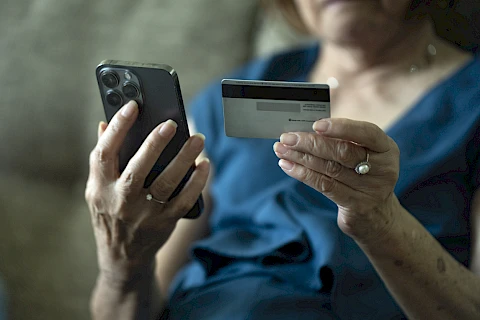
Family members may suddenly learn that a senior has fallen victim to a scam. For example, an older adult may have purchased $900 in gift cards after someone falsely claimed to represent their bank and then demanded more money. Senior scams often rely on convincing stories that can catch people of any age off guard. A quick, calm response can help reduce financial losses and preserve seniors' confidence.
Stop the Money First
When loved ones fall victim to senior scams involving bank or credit cards, contact the bank or card issuer using the phone number on the back of the card or a recent statement. Request an account freeze and replacement cards to prevent further unauthorized charges.
If the scam involved gift cards, contact the issuing company immediately and provide the card numbers and purchase receipts. Payment apps may also have dedicated fraud support lines. Quick reporting may improve the chances of recovering lost funds, though some financial losses may be permanent.
Reset email and banking passwords after revealing account credentials to a scammer. If a scammer gained remote access to a senior's computer, ask a trusted technician to check the device for remote access software before using it for banking again.
Report It in the Right Place
In the United States, seniors can report scams directly to the Federal Trade Commission, which offers guidance based on the type of incident. Seniors targeted by romance or investment schemes through websites or email may contact the FBI's Internet Crime Complaint Center. Local police departments may also accept reports, especially when a bank requests a police report number.
In Canada, the Canadian Anti-Fraud Centre accepts fraud reports, while local police departments handle cases in their communities. In both countries, banks generally recommend contacting them first.
Seniors and their families should keep a written record of the incident. Banks and investigators may ask for dates, amounts, the scammer's contact numbers, and copies of related text messages or emails. Keeping these details organized can help when reporting and responding to senior scams.
Protect Against a Second Attempt
Seniors who have lost money to a scam may become targets for more attempts. A follow-up caller might claim to offer a recovery service that can return the lost funds in exchange for an upfront fee. This is another form of fraud, often disguised as a different service, and it may occur within weeks of the initial incident.
If personal information was exposed, placing a credit freeze with the major credit bureaus can help prevent identity theft. The Consumer Financial Protection Bureau offers information on common financial scams, including ways to prevent, recognize, and report them. Seniors may also benefit from call-blocking features on landlines and a simple family agreement: no one sends money over the phone without first checking with a trusted relative. These precautions can help reduce the risk of recurring senior scams.
Handle the Feelings With Care
Seniors may hesitate to talk about a scam because they worry their families will take control of their finances or personal choices. Family members can start by thanking them for speaking up and offering support without assigning blame. Seniors should have a say in decisions, such as choosing a bank branch or determining who can access their passwords.
Family members can revisit the situation together a week later during a relaxed conversation. If worry or sadness lasts several weeks, suggest that the senior speak with a doctor.
Let Us Help Protect Your Loved Ones From Senior Scams
After senior scams, families may benefit from having someone who can spot suspicious mail or unfamiliar callers. In Brooklyn, Senior Helpers East Brooklyn caregivers offer companionship, help with errands and household tasks, rides to the bank and appointments, and a familiar presence who'll mention it to the family if something seems off. Contact us to learn more about our in-home care services.